Category: Health & Wellness

  • Red Light vs Infrared Light – Proven Science behind Therapy.

    Red Light vs Infrared Light – Proven Science behind Therapy.

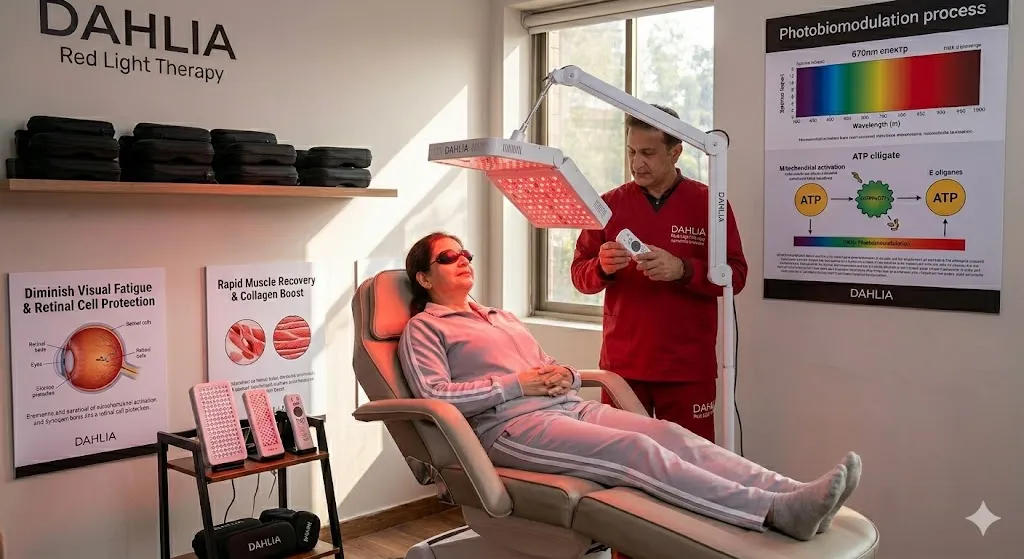
    Red light vs infrared light therapy is a significant innovation in non-invasive wellness, and presents specific solutions to cellular repair and physical healing. Although both forms of light belong to the “optical window” of healing, they can and do affect the human body in diametrically opposite ways. Red light is concentrated at the surface rejuvenation but infrared light goes deeper into muscles, joints, and bones. In simple terms, you can know the exact mechanism of these wavelengths and then use it to your benefit in order to create the best health routine. This is a guide to the proven science of these therapies, and how you can use them to reach your own wellness objectives.

    General summary of Red light vs Infrared Light.

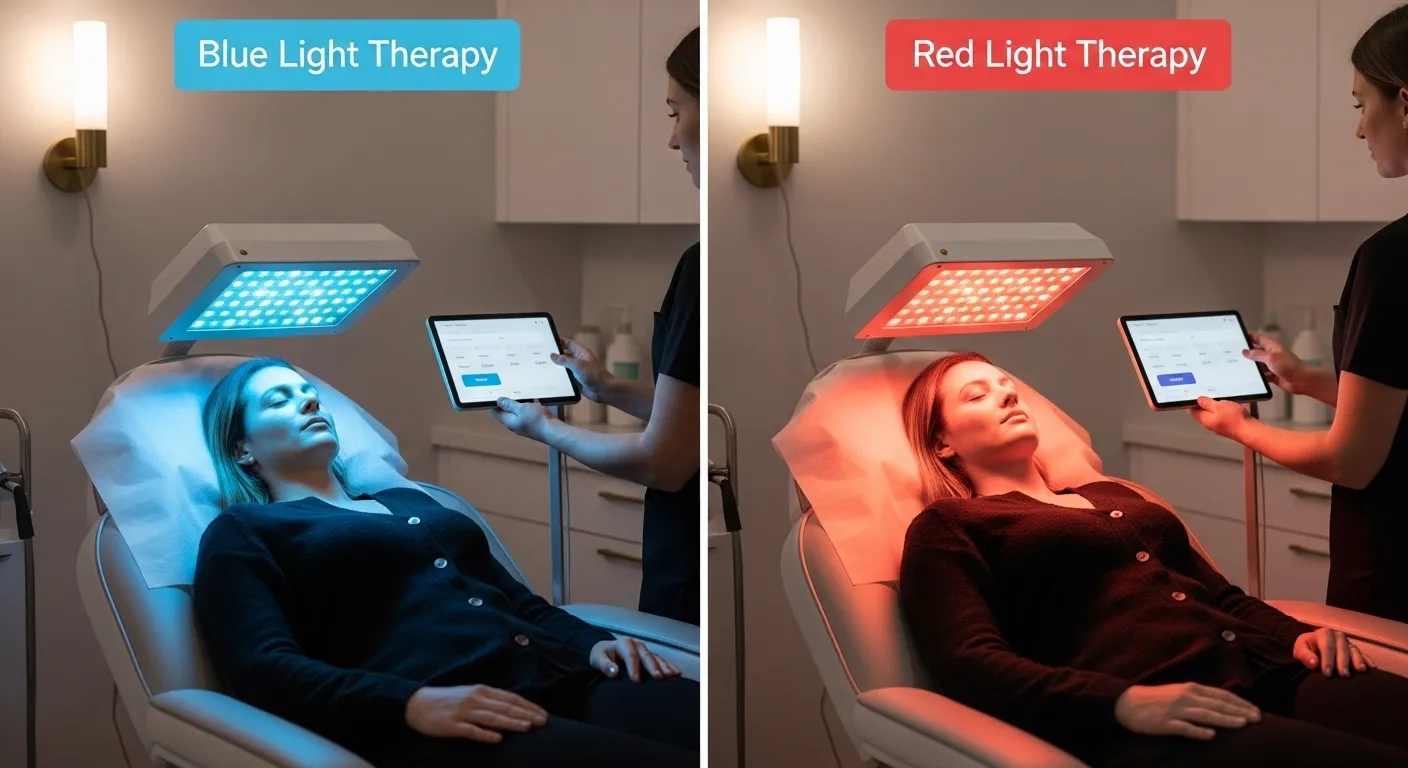
    A red light/infrared light comparison demonstrates that there are two different avenues of biological enhancement via a technique known as photobiomodulation. Red light is usually visible in the 20-750 nanometers range and it is readily seen by the human eye as a bright crimson light. Conversely, infrared light, namely, Near-Infrared (NIR) is located in the range of 750 to 1200 nanometers, which is not visible to the naked eye, but contains a lot of thermal energy. Above all, the key to the two wavelengths is that they stimulate your cells powerhouse, the mitochondria to generate more Adenosine Triphosphate (ATP). Most modern day therapy devices will be a combination of these wavelengths to give a holistic treatment, which takes care of the skin and the internal inflammation. So, it is up to you to decide between the two based on the need to treat the surface layers or deep-rooted physiological problems.

    History of Evolution of Halogen to advanced LED.

    The launch of the P3 EVO with its new technology was a major technological advancement to the brand of Portman Lights and to its users worldwide. This model replaces the conventional halogen sources with high efficiency dim-to-warm LEDs which exactly replicate the dimming profile of tungsten filaments. Moreover, the EVO line features an RGBW glow effect that enables designers to saturate the reflectors with rich colors and still retain a warm center. This two-layered solution offers some form of versatility which could not be achieved in the past with conventional halogen fixtures only. Indeed, it takes you just a few seconds to switch between an old-fashioned amber light of a traditional 100k and a flashy neon blue. As a result, the EVO has now been the vehicle of choice to do green tours without modern flexibility being sacrificed to achieve the vintage appearance.

    Aesthetics of Iconic Design and Construction.

    The beautiful hammered silver reflector and quality housing is one of the most distinguishing characteristics of the Portman Lights P The physical design is so impressive that the light is at times used itself as part of the set not concealed in the rafters. In addition, the construction is exceptionally strong, and the high-quality materials used in the construction bear the stress of international touring and constant transportation. All the units are produced in Poland and are specifically oriented on precision and long-term stability in the case of professional rental companies. The craftsmanship can be observed in smooth edges, the safe points of its mounting, and the high-contrast digital display on the rear. Thus, the possession of P3 is an indication of quality and professionalism in the competitive environment of event production.

    Blinding Effects of Stunning Beauty in high energy.

    The Portman Lights P3 can be very useful in the capacities of a blinder in high-energy situations of a concert or festival set. Its massive wash of light, covering the back of an arena, is enabled by a single unit with its wide beam angle of 94 degrees. In addition, the electronic shutter has crisp and rapid-fire strobe effects, which are well matched with high-tempo music. The P3 has a rich and textured light as opposed to the older blinders which were harsh and flat, making the P3 luxurious even in brightest mode. Also, the reflectors will be used to make sure that the light spreads evenly over the audience without the formation of hot spots. In such a way, it becomes the final instrument of the development of stadium-like moments that the audience will be able to recall many years after the performance.

    Pixel Mapping of Creative Lighting Shows.

    The three separate units of the Portman Lights P3 are commonly used by modern lighting designers to create complex pixel-mapping patterns. This enables you to consider each source of light as a single pixel in a large video or lighting grid on the stage. As an example, you can make a chase effect, a light where the light would stream over a wall of P3s, and it would mimic movement and life force. Moreover, the DMX control modes provide different degrees of complexity, with a simple 3-channel mode to an elaborate 47-channel mode of the EVO. This flexibility makes sure the fixture is accessible to all; it can be used by both local DJs and the best-of-the-best lighting programmers across the globe. Above all, the possibility to map the RGBW glow independent of the central source opens a myriad of creative options.

    Classic Tungsten Warmth, the Natural Way.

    The P3 PIX3L is still popular with television studios and film sets due to its realistic tungsten color temperature range. Halogen lamps inherently give an excellent CRI of 100, making sure that you see skin color and set color as natural as possible through the camera. Moreover, the warm light at the interval of 100K to 2900K produces intimacy and soul which most of the cool-colored LED lamps lack. Directors usually order these lights to be used in an acoustic session, or in sets of a late-night talk show to add to the feeling of coziness. To meet these high standards of broadcast the newer LED EVO version still has a CRI of more than 90 to comply with these high level broadcast standards. The P3 is, therefore, a camera-ready platform to any high-profile media production.

    Flexible mounting and rigging.

    The Portman Lights P3 has a universal yoke which can be installed in virtually any position. You can place it on a regular lighting tripod and to use at a corporate event, or it can be suspended upside down on a truss with heavy-duty clamps. Moreover, the comparatively light weight design of the fixture, approximately, 7 kg of the EVO, does not place undue stress on your rigging systems. Another feature is that you can tilt and lock the position of the light to a specific angle so that the light is concentrated at a specific point as the designer wishes. It also features internal power and data through-connections which allow dozens of units to be easily daisy-chained together using little cabling. Thus, a complex light matrix will be established in a much more efficient and quicker manner.

    Knowing DMX and Wireless Control Modes.

    The P3 series is a complete control choice, which will be fully integrated into any professional lighting console set-up. Normal XLR connectors have a standard 5-pin that offers a stable data connection in wired systems in theaters and arenas. In addition, the fixtures are fitted with the Astera wireless module, which can be W-DMX controlled in any case where running cables is not easy or not possible. This wireless ability is a functional requirement of a fast turnaround event such as award shows or makeshift fashion runways. RDM (Remote Device Management) can also be used to keep track of the health of the light, as well as to provide changes to DMX addresses in your console. Consequently, the P3 is not only technologically sophisticated, it is also aesthetically pleasing.

    Improving Intimacy in Acoustic Music Performances.

    At low power levels, the Portman Lights P3 is able to offer a lot of subtle flickering warmth to acoustic performances. Turned down to only 10 per cent. or 20, the lamp gives off a rich amber light that resembles the effect of candlelight. Moreover, the hammered reflectors produce a diffused light, which erases the hard shadows on the faces of the performers. This generates a close, personal relationship between the artist and the audience that is ideal to tell stories and emotional music. A single P3 can be used as a key light of a solo artist to make the stage feel far more purposeful and artistic. On the whole, the P3 assists in transforming an ordinary stage into a significant and thought-provoking area.

    Why Television Studios Trust Portman Lights.

    Directors of television lighting need fixtures with no flicker and a consistent color temperature to a range of cameras. The Portman Lights P3 is a perfect fit to these needs with its quality electronics and smooth dimming curves. Indeed, P3s have been a common element of the background scenery of many high-profile shows such as The Voice or The Late Show. Additionally, the vintage appearance of the light gives the contemporary TV set a tone of classic Hollywood glamour. The ability of the lights to look equally good when off as when on is a key advantage to set designers. As a result, the P3 has been added to the gear list of large broadcast rental houses around the globe.

    Thematic Branding with the RGBW Glow.

    The RGBW glow feature of P3 EVO is an effective element of the corporate event and brand-related stage design. When the brand color of a company is a particular shade of purple or green, then you can warm the reflectors in that particular shade and keep the primary light warm. Moreover, this enables the lighting to change during a corporate presentation in order to suit the various themes of the event. Moreover, the even mixing of colors makes sure that there are no effects of fringing and colored shadows on the stage floor. This is a very subtle way of using color that will help integrate the branding more into the room architecture. Therefore, the P3 offers a business-like appearance to any commercial use.

    Durability and Travel With Pro Roadcases.

    A set of Portman Lights P3 units are transported using special roadcases to ensure the fragile reflectors and electronic are well preserved. The majority of rental companies are using heavy-duty roadcases of 3-unit boxes with custom-molded foam inserts, which ensure no movement occurs during transportation. Moreover, they usually come with high-quality casters and locking hinges to withstand the demands of an international tour. Insuring your investment using these cases is a practical requirement of ensuring that the fixtures last a long time. it is inadvisable to pack away the lights before their heat is fully dissipated; otherwise the foam will be damaged by the heat. Consequently, your P3s will be received at all venues in optimal working conditions.

    Comparing P3 PIX3L vs P3 EVO

    The decision to use the P3 PIX3L or the P3 EVO lies with your production requirements and power limitations. The PIX3L provides the purist tungsten experience at a slightly reduced purchase price and using real halogen lamps. But it uses a lot more power–as much as 90W–and it produces a lot of heat when running. Conversely, the P3 EVO is pricier initially and consumes only 240W and has the extra RGBW color-variable glow. Moreover, the EVO does not require costly replacement of the spares lamps in the long run. The EVO is more of a touring bike, and the PIX3L a studio favorite; you’ll see.

    Influence of Portman Lights on the Contemporary Stage Design.

    The brand Portman Lights has essentially transformed the trend of the past 10 years of stage design called the retro-modern lighting trend. Prior to the P3, designers had a hard time locating high-output lights that were equally attractive on camera. Portman achieved a new type of scenographic fixtures by fusing a classic reflector with a hexagonal architectural frame. Moreover, this has motivated an entire generation of designers to shift the focus of the purely flashy LED moving heads to more organic and sculptural lighting. Indeed, the presence of a wall of P3s has become a shortcut to quality, professional value of production. Thus, the impact of the brand is noticeable in almost all large music festivals and televised concerts of the present day.

    Handling Halogen Fixtures Safety.

    When using the original P3 PIX3L, which has halogen lamps, you will need to adhere to certain safety measures to make the bulbs last long. The glass of a halogen lamp should not be touched with bare hands because the oils on your skin may cause the bulb to malfunction early or even blow up. Also, make sure that the fitment is adequately ventilated to cool the amount of heat produced by the 230 W lamps. This is to ensure that when using multiple units of halogen on one circuit your power cables are rated to be able to handle the high current draw. When a lamp fails, do not try to replace it until the fitting is completely cool. These few guidelines will make your journey safe and secure with a complete crew.

    High-Contrast OLED Displays Role.

    Each Portman Lights P3 has a high-contrast OLED display and four-button interface on the back side of the product to enable fast configuration. This enables technicians to program DMX addresses, switch control modes and execute internal macros without having to have a console close by. Moreover, the screen is bright enough to read in dark backstage settings, but can be lowered in brightness when a show is going on, to avoid light leaking out. This easy to use interface is a practical requirement in the rapid changing of the festivals where each second matters. The temperature of the LEDs or the state of the DMX signal can also be displayed on the screen. As a result, the on-site lighting technician will find the process of troubleshooting a lot easier.

    Professional Support and Worldwide Availability.

    Throughout the history of Portman Lights there is an extensive network of licensed distributors in more than 0 countries, so professional assistance is never a long way away. In case you require an extra reflector to a P3 EVO, or a new lamp to a PIX3L, one can typically find it locally within a few days. In addition, the brand has a 2-year warranty on all their fixtures, which is a relief to the rental companies and venue owners. On their official support websites, you will also find a library of DMX profiles to all major lighting consoles. This international standard infrastructure makes the P3 still a dependable standard of international tours, which travel across continents. So, you can define Portman Lights without any doubt that in case of need, you will be able to get the support.

    Portman manufacturing Sustainability Efforts.

    The growing concern on the environmental impact of production and the energy consumption of its fixtures is becoming more of a concern to Portman Lights as a manufacturer in Europe. The transition to the EVO LED line is a significant component of such a sustainability plan since it will significantly decrease the carbon footprint of a big show. Moreover, the company uses long-lasting materials that are expected to last a decade or longer as opposed to being a disposable tech. The trend of modular designs also implies that single parts can be repurposed or renewed, cutting back on electronic waste. Besides this, the Polish factory is compliant with the EU labor and environmental standards. In general, Portman is an ethical and quality investment.

    Conclusion

    The red light vs infrared light debate shows that the two light wavelengths play a vital role in the contemporary wellness toolkit. The key is that by knowing the science behind these therapies you can customize your sessions to address the most recalcitrant wrinkles all the way to deep-rooted muscle damage. The red light is still the gold standard of the surface level healing and cosmetic enhancement, whereas the infrared light offers deep penetration necessary to achieve structural healing and pain management. Furthermore, the capacity to activate the generation of energy in cells is the reason why light therapy is, by definition, an effective requirement of any person who is concerned about health and performance in the long-term. With the ongoing evolution of technology, these non-invasive treatments will just be more engrained into our lives. In a nutshell, incorporating light into your recovery process is an easy yet effective method of helping your body to heal itself. Make the next step towards your health and get the cellular lift only red and infrared light can do. Get out of the rut of gradual recovery, and begin to shine indoors today.

  • Bed Alarms and Call Lights: Complete Healthcare Safety Guide

    Bed Alarms and Call Lights: Complete Healthcare Safety Guide

    Patient safety is the primary concern of hospitals and care facilities particularly among elderly patients, disabled patients or high-risk patients. Employees are not able to watch all patients all the time, and in this regard, technology has a significant contribution to support systems.

    Bed alarms and call lights aid in prompt response of the healthcare worker in case the patient requires attention or attempts to move in an unsafe manner. These systems minimize accidents, enhance response time and enhance the overall care quality.

    In addition, the hospitals apply the tools to avoid falls, track movement, and enhance communication between patients and caregivers. Consequently, they have become a fundamental component of the contemporary patient safety systems.

    What is a Bed Alarm, what is Call Light?

    Bed alarms are the devices of monitoring, which identify the movement of the patient, particularly, when a patient attempts to get out of the bed without any help. They cause an alarm to alert medical personnel on-the-fly.

    Call lights are communication tools installed around the bed of a patient enabling him or her to call the nurses or other caregivers to assist him or her. The patients press a button and a signal is sent to the medical staff station.

    Why Are Bed Alarms and Call Lights important?

    The healthcare setting needs to have rapid response mechanisms since a delay may result in severe injuries. Mobility problems, confusion, and medical conditions may necessitate urgent help among patients.

    Bed alarms minimize the chances of falls by warning employees when the patient attempts to rise independently. Call lights enhance communication and help to guarantee patients do not wait to be assisted.

    In addition, the systems enhance efficiency in terms of safety in the hospitals because they minimize the pressure on the staff to manually monitor it.

    Bed Alarm: How Do they Work?

    Motion Detection System

    Bed alarms are sensors located under bed mattresses, bed rails, or on the clothing of a patient. These sensors are used to detect movement or pressure.

    The system will also be activated when a patient attempts to get out of the bed and this will alert the nurses.

    Pressure Sensor Technology

    There are some bed alarms which have pressure pads that check the distribution of body weight.

    The system detects movement when the pressure is changed abruptly and sends an alarm signal.

    Wireless Alert System

    Hospitals today have wireless bed alarms which transmit alerts to nurse stations or cell phones.

    It enhances the level of response and assists personnel to respond promptly to avoid accidents.

    What are Call Lights?

    Patient-Controlled Button

    Call lights are activated by a simple button system which is either placed close to the bed of the patient or within his or her reach.

    The system sends a signal to the nurse station when it is pressed.

    Communication Signal System

    The signal sends lights or sounds in the nursing area to notify the staff that a patient requires attention.This makes it so that there is no verbal interaction but immediate communication.

    Integration with Nurse Station

    State-of-the-art call light systems are directly linked to digital nurse dashboards.

    This assists the staff to determine what patient requires assistance and to respond more quickly.

    The major advantages of Bed Alarms and Call Lights.

    Improved Patient Safety

    Bed alarms can be helpful in eliminating accidental falls by early identification of unsafe movement. This helps to minimize injuries and enhance hospital safety.

    Faster Response Time

    Call lights make sure that patients receive fast attention of caregivers. This enhances efficiency in treatment.

    Better Staff Efficiency

    The healthcare workers will handle patients better since alert systems will help in minimizing constant human monitoring.

    Increased Patient Confidence

    Patients are safer knowing that they can call any time and help. This enhances comfort and decreases anxiety.

    Less Risk of Complications.

    The prompt intervention will make minor incidents less dangerous medical emergencies.

    The distinctions between Bed Alarms and Call Lights

    Both bed alarms and call lights enhance patient safety; however, they have entirely different purposes in a health setting. Bed alarms deal with automatic surveillance and call lights deal with direct communication with the patient.

    Purpose Difference

    Bed alarms help to avoid accidents even before they occur by observing dangerous movement. They serve as a guardian surveillance mechanism of high-risk patients.

    Call lights enable patients to seek assistance whenever they require assistance. They serve as an interaction between caregiver and patient.

    Activation Method

    Bed alarms are automatic and are triggered by sensors that record when there is movement or change of pressure. The patient is not required to do anything.

    Call lights are a manual activation, which is done when the patient presses a button to make the staff come.

    Function in Healthcare

    Bed alarms constantly monitor patients and alert staff in case of risk behavior. They emphasize prevention and control of safety.

    Call lights facilitate conversation and enable patients to obtain prompt assistance in terms of pain, mobility or overall need.

    Response Timing

    Bed alarms can notify the staff as soon as unsafe movement occurs, which will allow falls to be prevented quickly.

    Call lights notify the staff when a patient needs assistance based on the presence of nurses.

    Simple Understanding

    Bed alarms automatically secure patients without any intervention. Call lights enable patients to request assistance when they feel the need.

    Where Do Bed alarms and Call lights find application?

    Hospitals

    These systems are applied in wards, ICUs, and emergency units in hospitals to monitor patients at all times.

    Nursing Homes

    They are used in care facilities to safeguard the elderly patients and minimize the risk of falls.

    Home Care Settings

    Patients under treatment at home are given portable versions by caregivers.

    Tips / Best Practices

    • Install call bells where patients can easily access them.
    • Periodically check test bed sensitivity.
    • Prepare train personnel to act quickly in case of an emergency.
    • Exploit wireless systems to create quicker alerts.
    • Ensure long-term reliability of equipment.

    Frequently Asked Questions (FAQ)

    What are bed alarms used for?

    Bed alarms detect patient movement and alert staff when someone tries to leave the bed without assistance, helping prevent falls and injuries.


    What is the purpose of call lights?

    Call lights allow patients to request help from nurses or caregivers by pressing a button that sends an alert to the nurse station.


    Do bed alarms reduce patient falls?

    Yes, bed alarms significantly reduce fall risks by alerting staff immediately when unsafe movement is detected.


    Are call lights effective in hospitals?

    Yes, call lights improve communication between patients and staff and ensure faster response times.


    Can bed alarms and call lights work together?

    Yes, hospitals use both systems together to improve patient safety and response efficiency.


    Conclusion

    Bed alarms and call lights are important in contemporary healthcare safety measures. They enhance communication, lessen patient risks, and assist medical personnel to react quicker to emergencies.

    These systems in combination help to establish a more efficient and safer hospital environment. They promote the comfort of patients and the work of the staff, which is why they are indispensable devices in health care institutions around the globe.

  • Does Red Light Therapy Work through Clothes? The Ultimate  Efficacy Guide.

    Does Red Light Therapy Work through Clothes? The Ultimate  Efficacy Guide.

    Photobiomodulation (PBM) or red light therapy (RLT) has become a convenient need in the wellness practice of both athletes and skincare consumers and people with chronic pain.

    Photobiomodulation (PBM) or red light therapy (RLT) has become a convenient need in the wellness practice of both athletes and skincare consumers and people with chronic pain. In , the market is already flooded with high output panels, wearable wraps and even entire body beds. However, there remains one question that has remained within the proven hub of controversy by the new users; Is red light therapy under clothes?

    Concisely, the answer to this is in the negative. The photons of red light therapy can only be really effective when there is direct contact of the skin with the photons. Though the light may penetrate some small amount through even the very thin and light-colored clothes, the fact that clothes are present during a session is a physical barrier to the proven benefits of the therapeutic session. The guide is comprehensive and explores physics of light penetration, biological requirements of mitochondria, and  requirements of optimal treatment.

    Physics of Photon Absorption 

    To understand the cause of clothing as an obstacle, we must look into the functioning of RLT on a cellular level. Red light (30-0 nm) and Near-Infrared light (810-850 nm) works by directing light to your cells to the mitochondria.

    Reflection and Scattering

    The incident of light on a surface either is absorbed, reflected or scattered.

    Clothing Fabrics: The smallest cotton t-shirt is made up of millions of interwoven strands. These fibers are not just a needed component of the mechanism of UV rays sun protection, but also of RLT. The photons are reflected off of the fabric or scattered in a manner that they do not reach to dermis.

    Direct Skin Contact: The epidermis will allow introduction of the particular wavelengths into the deepest tissues of the skin when the skin is uncovered and here is where the so-called proven healing begins.

    Inverse Square Law.

    We know that in  it is all dosage. As it moves through any type of medium the strength of light is severely diminished. Suppose that photons have to pass through a sheet of polyester or denim, the energy density (in mW/cm2) which actually reaches your cells is cut by 80-90 percent. Therefore, clothes treatment can be called no less than a waste of time and energy.

    Red Light vs. Near-Infrared

    Wavelength TypeTargetPenetration DepthClothing Impact
    Red Light (Visible)Skin Surface / Collagen12\text{ mm}Complete Block. Visible light cannot pass through opaque fabric.
    Near-Infrared (Invisible)Muscle / Joints / Bone25\text{ cm}Partial Block. While NIR has more “push,” fabric still scatters the beam, killing the dose.

    Not all light is created equal and the type of light you are dealing with will dictate the degree to which the clothing interference will be significant.

    Why Red Light is Skin Only.

    The red light that is visible is used to a large extent on the skin health- to make it less wrinkled, acne and scarring. Since its work is to cure the deepest part of the body, even a piece of lace will prevent the light reaching to the object. Any cosmetic RLT must be in direct contact with the skin.

    The Near-Infrared Fallacy

    Some manufacturers even say that Near-Infrared (NIR) will go through anything. Though it is factual that NIR penetrates through biological tissue, as compared to visible light, it is also established that factual that cloth material still absorbs the signal significantly. In case of RLT in treating deep muscle healing or joint pains then the therapeutic amount required to induce cell repair will be cancelled by wearing leg ins or a sweat shirt.

    Fabrics variables: Color, Density, and Material.

    When you find yourself in a situation where you cannot afford to go without clothing in a session, the type of cloth will inform you how much of the so-called value you are not getting will be achieved.

    Color

    Dark colours (Black, Navy, Forest green) take in light energy. When you wear a black shirt, you can feel that the material is warm, that is, the piece of material is robbing the photons that are heading to your body. Light colors (White, Pale Pink) are reflective and they reflect light to the panel.

    Weave Density

    A loose linen shirt might allow to pass through the places between the fibers, 510 of the light. However, a compression sporty compression shirt is a complete shield, tightly woven.

    Material

    synthetic fabrics, e.g. nylon and spandex, have a reflective surface that can be used to specially reflect NIR light off the skin.

    Biological Objective: Cytochrome c Oxidase.

    The biological basis of the practical necessity of bare skin. The primary RLT receptor is an enzyme called the Cytochrome c Oxidase and located in mitochondria.

    When a photon is absorbed by this enzyme, Nitric Oxide is released and ATP (Adenosine Triphosphate) is formed. Your cells burn it to repair damage and reduce inflammation. When the light is covered with the t-shirt, the chemical reaction, which has been proven, does not occur. You are simply standing in a room with red-cells, and are not experiencing cell-change.

     RLT Professional Protocols.

    The following standards of the industry in  will help you to make your session successful:

    Skin Preparation

    The skin should be clean and no heavy sunscreens or shimmer lotions should be applied on the skin because they can bounce the light.

    Proximity

    To treat high intensity, keep between  -12 inches distance to the device. In case of a wearable wrap, the wrap must be in contact with the skin.

    Consistency

    RLT is cumulative. One hour of through-the-clothes therapy five days a week is not as good as doing an hour and a half of bare-skin therapy three times a week.

    Eye Protection

    This is even though it constitutes a functional need that needs to be exposed to the skin, eye protection is also very essential. The LEDs used in  panels are so dense, that even with closed eyes, it may be too much of a load to the eye.

    Deep-Dive FAQ: Myths Busted.

    Q: Can one wear a thin white undershirt?

    A: Thou mayest not. That is to say that, where a white shirt will perhaps admit a minute portion of light into it, you are likely to lose more than 70 per cent of the therapeutic action. Wearing an RLT device or device under a shirt is not an experimented use of money, assuming you are spending a good deal of money to have an RLT session or device.

    Q: RLT using bandages or medical wraps?

    A: No. In the case of a wound in the healing process, the light should be directed to the wound bed, or the tissue immediately surrounding the wound. Should the area have to be covered, because of medical reasons, discuss it with a provider about a more open, so-called second-skin style dressing, which is more permative to light.

    Q: What about RLT blankets, or sleeping-bags?

    A: To revive the body, they are trending in  In order to do the same, you must be naked in the bag. Wearing a red light sleeping bag with pajamas will separate the LEDs to avoid coming into contact with your skin.

    Q: Does it take by hair?

    A: It is a scalp treatment (hair growth) problem. To make RLT effective on the scalp, the light should be able to penetrate the follicles. This is why  RLT helmets are powered using laser combs, through the hair shafts or high density diodes in order to propel them. With body hair, the light is likely to hit the skin easily unless the body hair is extremely dense.

    Q: Can one have a red light tan?

    A: No. UV rays do not occur during red light therapy. It will not brown your skin, or give you sunburn. This is a useful condition of its safety profile- it provides the benefits of light minus the damage on the DNA of tanning beds.

    The  Wearables Verdict.

    The wearable RLT of  (belts to ease back pain, or knee wraps) has made the rule of skin-contact more than ever important. These devices typically do not generate as much power as large clinical panels; therefore, proximity is a dose administration method. A well-known way of doing nothing is to tie a light belt around two jeans. The LED side should touch the skin with any wearable.

    Conclusion Checklist to the Fullest Effectiveness.

    Exposure

    100 per cent of bare skin.

    Distance

     -18 inches to panels, 0 inches to wraps.

    Duration

    10-20 minutes per session.

    Frequency

    3-5 times a week to demonstrate results.

    Hygiene

    Wipe off makeup or sweat before session.

    Conclusion

    Red light therapy is an art as far as its contemporary wellness technology is concerned; however, it is not beyond the laws of physics. Light or thin garments can not replace the practical role of bare skin. One should not tamper with the light in order to trigger the cellular reaction that leads to skin rejuvenation, muscle mending and pain relief. The surest way of assuring yourself that you are receiving your money in  is to denude the area, and leave the work of the photons to itself. In a word, it is on the case of RLT that a small (clothing) is a lot (healing). Take the next step towards your own health and consider the direct exposure and your outcomes grow. Quit wasting light and begin enjoying the fruits of red light therapy.