How to Diagnose a Chevy Check Engine Light (Full Guide)
If you’ve been a driver long enough (which you probably have), you know that nothing causes instant driving stress like an unexpected dashboard warning in your truck or sedan. You do not overlook this sudden alert when it comes on in your instrumentation panel. Instead, everything gets resolved swiftly to keep your car running smoothly. So, your onboard computer just picked up a particular mechanical or electrical bug.
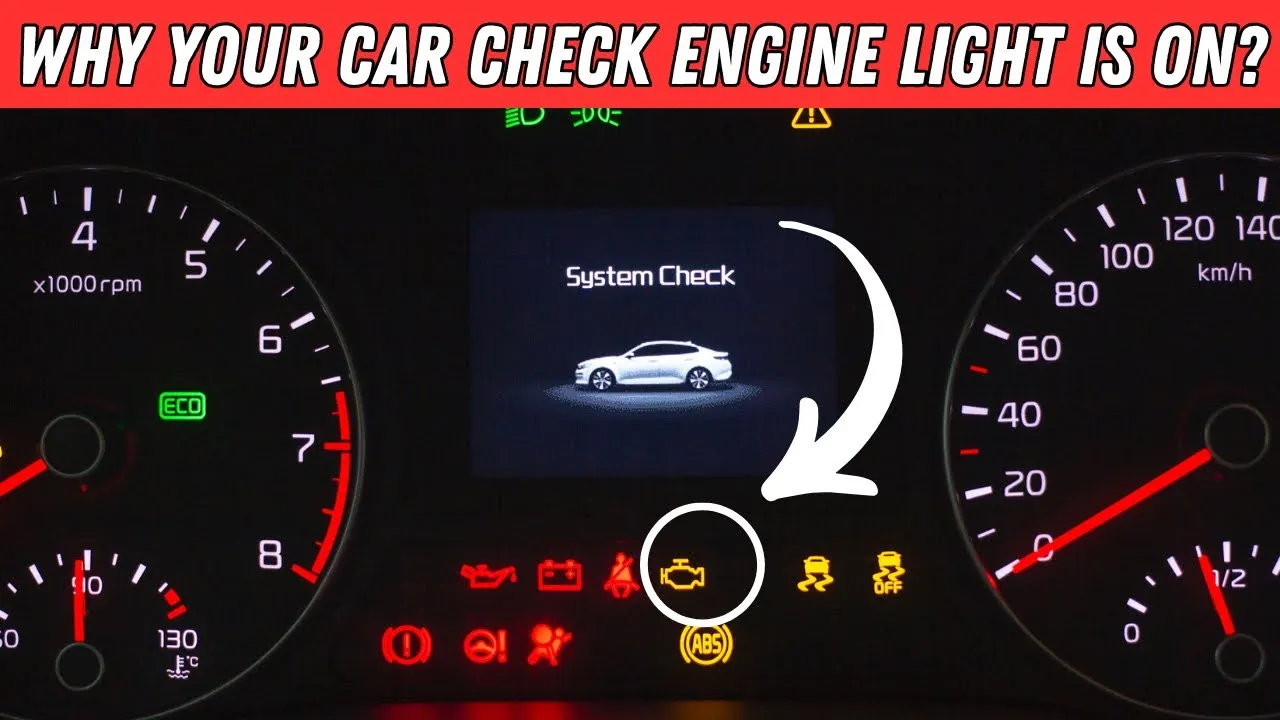
Your car uses a computer to continually monitor the powertrain operation. When a sensor records a reading outside normal limits, it generates a dashboard alert. But the light does not directly tell you which component is failing immediately. This means you will require a genuine code reader to extract specific fault data from your car.
Reasons You may Receive a Bowtie Brand Warning
City driving and daily load conditions can sometimes accelerate wear and tear on components. These alerts are often caused by faulty oxygen sensors, old spark plugs, and failing catalytic converters. Some parts wear out and fail over time because of normal use and exposure to heat. In addition, minor problems like a loose fuel cap can unexpectedly turn on the dashboard icon.
Road Salt and Undercarriage Corrosion Secretly Fatal
Winter road salt creates an inhospitable environment for the electrical routing underneath your vehicle. Exposed wiring harnesses underneath your vehicle chassis rust out during the cold driving months due to road salt. That could include wires damaged by the oils in the technician’s hands sending wrong readings to the main engine management computer. Consequently, sensors will register errors no matter how well the physical component works.
Wheel Speed Sensors: Potholes
Hitting a big bump on your commute does more than knock your wheels out of whack. An extreme force can viciously knock sensitive wheel speed sensors from their mount. Moreover, these components are located close to the brakes, meaning that they get hit by road debris regularly. If they fail, your car instantly disables key safety systems. Hence, you encounter multiple warning criteria.
Connection Between ABS and Motor Warning Light
Antilock braking system exchanges real-time data with the powertrain control module. A failed wheel sensor due to dirt or damage will affect the results of the stopping distance calculated by ABS. This means that the main computer has to set a motor alarm as well. Hence, you might see both of those dashboard symbols glow at the very same time.
Why Traction Control Warnings Appear in Unison
Traction control uses the very same sensors as your braking system. If during a fault in the sensor, the imagine wheels traction difficulties on road, consequently the system will not only now cut off the management of stability. In the meantime, the engine control unit limits power output to keep the transmission from slipping. But when these multiple safety indicators popped at once, please do not panic.
You can also read: Loose Gas Caps and Evaporative Leaks
Yes, zero tools and next to no mechanical effort are sometimes a simple fix. A loose gas cap allows the vapors of fuel to escape openly out of the holding tank. Actually, this pressure drop can fool the vehicle into thinking there is a serious leak. You also inspect the rubber seal for cracks and then replace it tightly back to the filler neck.
Exhaust Heat: How to Avoid Oxygen Sensor Failures
Oxygen sensors are always measuring the unburned fuel coming out of your tailpipe. They taper off over hundreds of thousands of kilometers due to accumulation of carbon and the intense heat of exhaust gasses. A faulty sensor can also destroy your mpg, for example by making the motor use more gasoline than necessary. After that, your automotive emissions skyrocket until you get a new substitute.
Problems and Costs for a New Catalytic Converter
With its clean-cleaning device, this component converts harmful exhaust gases into harmless emissions. It often fails because ignored check engine misfires melt the internals. Otherwise, it only lasts the life of your vehicle. However, whenever that catalytic converter needs to get replaced, it will be one of the priciest automotive repair jobs still to this day.
Choose a Good Diagnostic Repair Shop
However, picking the best shop will ensure a proper repair on the first try. Find a facility that has qualified technicians and top-of-the-line scanning machines. Further, trustworthy garages clarify the codes before taking any manual actions. Finally, pick a shop that is clear on the warranties provided on both parts and labor.
Is an OBD2 Scanner Worth the Money?
When simple code scanners are bought for home fault reading in the garage. You simply plug these convenient little devices into the port hidden underneath your steering column. Further, if you already have a warning code, dishonest mechanics can not trick you with exorbitant charges for simple repairs. That means you can save a ton of this luck when you spend 40 bucks for a personal scanner.
Driving With A Solid Amber Warning
An amber light means the issue is not urgently life threatening. In most scenarios, you can drive or go home or head straight to a local repair garage without issues. But you also should not wait more than a few days to schedule an inspection. Otherwise, the underlying issue can become exacerbated and lead to more costly secondary component damage.
How To Fix The Notification Flash
A dashboard warning light blinking shows an error in engine misfire immediately. This condition literally dumps raw fuel directly into your hot exhaust system very quickly. Which means you can have to kill your costly catalytic converter in just a number of blocks of driving. Instead, pull over somewhere safe and contact a local towing service immediately to ensure the safety of your motor.
Quickly Passing Emission Testing in Your Local State
If the alert is on, your car will automatically fail the state emissions test. Clearing this code right before you drive into the testing lane isn’t going to help either. In fact, the testing computer verifies that all internal system monitors are completely ready. This means you need to repair the underlying issue, then drive a few miles to reset the monitors manually.
What Causes Low Voltage Drops To Trip A Fake-Fault
Mid Atlantic summer (90°F) vs winter (27°F) As temperatures are particularly low on winter mornings, your car energy capacity drops massively. Low voltage causes sensitive computer modules to throw any error codes during self-test at startup. Also these phantom alerts tend to clear when the alternator fully tops off the electrical system. Sure enough, test your battery ahead of winter to avoid pesky false alarms.
Misfires and Spark Plug Replacements
Your spark plugs are required to ignite the fuel mixture inside your combustion chambers when positioned absolutely. For example, worn out spark plugs deliver jerky acceleration and rough highway-speed idling. Also, neglecting faulty plugs overworks your ignition coils and leads them to burn out. Next, change your plugs at intervals that are intervals so you get the smooth running as well as avoiding the cost of dashboard warning signs.
EVAP System Leaks Explained Simply
The charcoal canister that keeps harmful fuel vapors contained is the evaporative emission control system (EVAP). Which keeps these raw chemicals from breaking loose into the open atmosphere. In contrast, the low purge valve or split pipe activates a leak code within a matter of moments. Similarly, these micro air leaks can only be located in a shop with special smoke testing tools.
Average Costs for Diagnostic Scans
Most local auto parts stores check your codes for free. But it won’t give you a full diagnostic analysis of more complicated electrical problems. Expect a pro shop to bill you in the range of $90 to $150 for an hour of pro testing. Troubleshooting correctly, after all, requires sophisticated equipment and a great deal of mechanical training.
How to Fix Your Vehicle SubSystems (Actionable Steps)
Make sure you heed any warning signs that your car is producing, then before you ignore problems that could be avoided when they first surface. After filling up with gas, the first thing you should do is make sure your gas cap is closed tightly. You can then use a simple scanner to read the specific fault code that is saved in that module. Lastly, make an appointment to have a professional diagnose any harder to reach sensors before it’s time for emissions testing.