Blog

  • Blue Light Therapy vs Red Light Therapy: Which is Right for You?

    Blue Light Therapy vs Red Light Therapy: Which is Right for You?

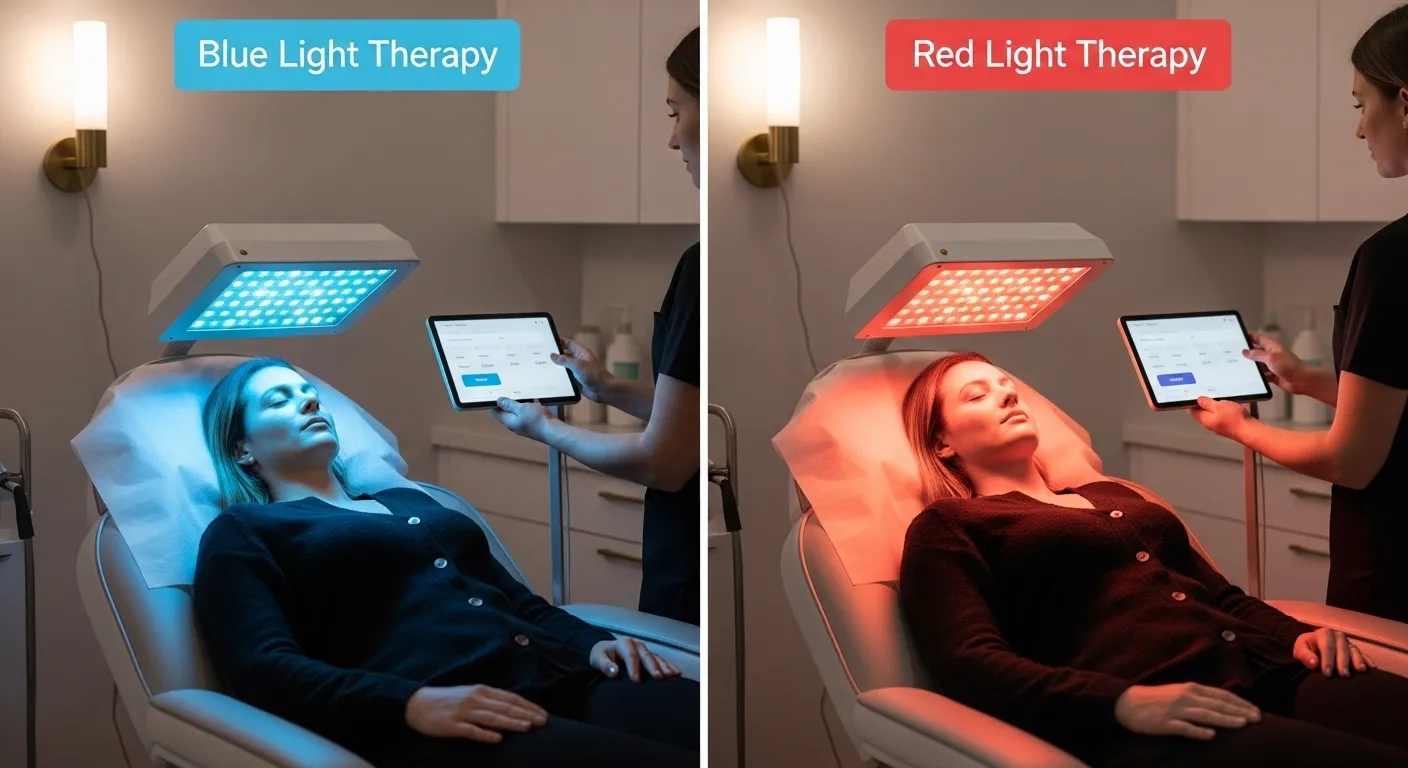
    The reality is that when you enter the world of LED phototherapy, the colors are not for display but are certain biological keys that open various healing mechanisms in your body. In simple terms, blue light therapy vs red light therapy is not a matter of choice, but a division of labor. Blue light is a surface-level expert with bacteria, whereas red light is a deep-tissue repairman and fills in the damage. It doesn’t matter whether you are fighting off chronic breakouts or attempting to reverse time with fine lines, to make your skincare routine a functional success, then you need to comprehend the interaction between these wavelengths and your cells. You will discover that when you learn to control the relationship that exists between light frequency and tissue depth you can make your treatments more than skin deep and achieve a glow.

    The Physics of Wavelength and Penetration.

    To see the basic distinction between these two treatments we shall first have to consider the electromagnetic spectrum. Light is a wave and the distance that the energy can penetrate into the human body depends on the length of the waves in nanometers (nm).

    Blue Light (405-420 nm):

    These are short wavelengths of high energy. Due to their shortness, they are unable to cut deeply into the tissue. Rather, they have been preoccupied nearly with the epidermis which is the outermost layer of the skin.

    Red Light (30700 nm):

    These are longer wavelengths of a lower energy content per photon, yet have a greater transmittance. This enables them to avoid the surface and get to the dermis where collagen is manufactured and even as far as the underlying muscle and connective tissue.

    As a result, blue light is localized and superficial whereas red light is systemic and deep-seated. Consequently, the two lights have absolutely different biological masters, one of them cleanses the surface, and the other powers the base.

    The Antibacterial Specialist BLT.

    The major blue light superpower is that it kills Propionibacterium acnes (P. acnes) which is a bacteria that causes inflammatory breakouts. These bacteria have light sensitive compounds known as porphyrins. The blue light in the 415nm range interacts with these porphyrins when it strikes them, to produce a chemical reaction that will release singlet oxygen, essentially killing the bacteria by destroying it internally without the use of harsh chemicals or antibiotics.

    Moreover, the sebaceous (oil) glands are strongly affected by blue light. Blue light will reduce the general greasiness of the skin which is where the acnes-causing bacteria feed the most, by telling these glands to slow down their activity. This two-fold effect of killing the bacteria and depriving them of food is what has made blue light a commonplace in clinical dermatology.

    It is noteworthy, however, that the effects of blue light are only limited to those things that it is able to touch. It works well with superficial whiteheads and pustules but might not be so effective against deep and cystic acne that is more deeply embedded in the tissue. To those deeper issues, a Lighted Path is often needed to combine therapy.

    Red Light Therapy: The Cellular Powerhouse.

    Photobiomodulation (PBM) is commonly known as red light therapy (RLT) and operates on a different principle altogether. Instead of destroying a target, RLT “feeds” the cells. When the photons of red light are used in the body, they enter the mitochondria, the powerhouse of your cells and are captured by a protein called cytochrome c oxidase. This uptake causes Adenosine Triphosphate (ATP), which is effectively the cellular currency, to be produced and utilized to repair and replicate the cell.

    Consequently, red light therapy promotes a number of regenerative activities:

    Collagen Synthesis:

    It causes the fibroblasts to generate additional collagen and elastin, the proteins that make skin stiff and so there is no sagging.

    Enhanced Circulation:

    It stimulates the building up of new capillaries (angiogenesis) that supply the treated region with more oxygen and nutrients.

    Inflammation Reduction:

    Red light can reduce oxidative stress and thereby alleviate redness and accelerate the healing of scars and wounds.

    Red light therapy maintains your regenerative systems in a high alert state, just like a Pilot Light does with a heating system. It is certified as the gold standard of anti-aging, scar reduction and even muscle recovery.

    The Synergy of Combined Therapy

    The debate in most of the contemporary clinical settings is not about blue vs red but how they can be used in combination. A synergistic effect is produced by combining these wavelengths, and is especially effective on hormonal or adult acne.

    As the blue light is busy neutralizing the bacteria on the surface to prevent new breakouts, the red light is busy underneath to cure the inflammation and redness created by the existing spots. Moreover, red light assists in accelerating the skin cells turnover, thus avoiding the clogged pores that cause future acne. This multi-layered treatment plan will make sure that you are addressing the symptom (the pimple) and the environment (the inflamed skin).

    The majority of high-end LED masks and panels now have a mode of a purple or dual mode, where both wavelengths are turned on simultaneously. It is a useful need for individuals wishing to have a wholesome skincare regimen without having to waste more time on it.

    Safety, eye protection and best practices.

    Although LED therapy is non-invasive and is regarded as very-safe in general, there are guidelines to adhere to in order to achieve long-term wellness.

    Eye Protection:

    Blue light, especially, is of high energy and might be a source of eye strain or even permanent retinal damage when gazed at directly over extended periods of time. Wear opaque goggles always or have a device that has inbuilt eye shields.

    Skin Sensitivity:

    Although red light is relaxing, other people with very sensitive skin or other conditions such as Melasma may experience the heat or energy releasing a flare-up. One should always be safe and do a patch test on a small part of the neck before engaging in a full face session.

    Consistency:

    LED therapy is a marathon, not a sprint, unlike a chemical peel or a laser treatment. The biological processes caused by the use of 0 nm light require time before they are reflected in the mirror. It will turn out that those who achieve the best outcomes are the ones who have a regular routine of 3 to 5 sessions a week.

    Understanding Infrared: The Red Light’s “Big Brother”

    Red light therapy is often combined with Near-Infrared (NIR) light (810-850 nm). Although NIR can not be seen by the human eye, it can go even further than red light-all the way down to the bone. When you begin to feel it more than just in the skin, but in the joints, deep muscle pains or general inflammation, an LED device with NIR capabilities is necessary.

    NIR is used together with red light, in the context of skincare, to give a deep, structural, heal. In case the paint on the wall is red light, NIR is the base of the house. They both make sure that the skin is not merely appearing healthy on the surface, but is structurally sound and healthy to the core.

    Psychological Effect of Light Therapy.

    In addition to the physical benefits, there is a documented effect on mood and circadian rhythms of light therapy. Melatonin is a hormone that is a strong regulator of blue light. In the morning, blue light exposure can assist in restoring normalcy in your internal clock which makes you more alert during the day and sleep better at night.

    On the contrary, the soft warmth and redness of a sunset-colored RLT session can be so calming. The light session of about 20 minutes a day is found by many users to be a kind of moving meditation, taking the mind off the screen and stressors. This total dividend is what makes people usually linger on the habit until they notice the physical changes on the skin.

    Conclusion: Lighting the Way.

    Whether to use blue or red light therapy or to use them together is all up to your individual skin objectives. Blue light is your frontal man in case the major struggle is against bacteria and oil. When you want to stay longer, be repaired and have a smooth texture, then red light is your greatest investment.

    The fact is that our modern world tends to deprive us of the useful frequencies in the natural sunlight and bombard us with the junk light of the screens. In simple terms, adding a professional-level LED routine is a method of nourishing your skin with the exact energy it requires to perform optimally. Whether you are making a way to a clearer complexion, or you are laying a groundwork to a young future, the proper light at the proper depth is the clue to discovering the best of yourself. Do not rest on your laurels and only use one color, learn all about the spectrum and allow the light to work.

    Side-by-Side Comparison: Application and Results

    FeatureBlue Light TherapyRed Light Therapy
    Primary TargetBacteria (P. acnes)Mitochondria / Fibroblasts
    Skin LayerEpidermis (Surface)Dermis & Hypodermis (Deep)
    Best ForActive Acne, Oily SkinWrinkles, Scars, Inflammation
    Treatment Time10–20 Minutes10–20 Minutes
    Visible Results1–2 Weeks4-8 Weeks
    SensationCool / No HeatGentle, Soothing Warmth

  • Tech Lighting Essence Tape Light: High-Density Linear Illumination Guide

    Tech Lighting Essence Tape Light: High-Density Linear Illumination Guide

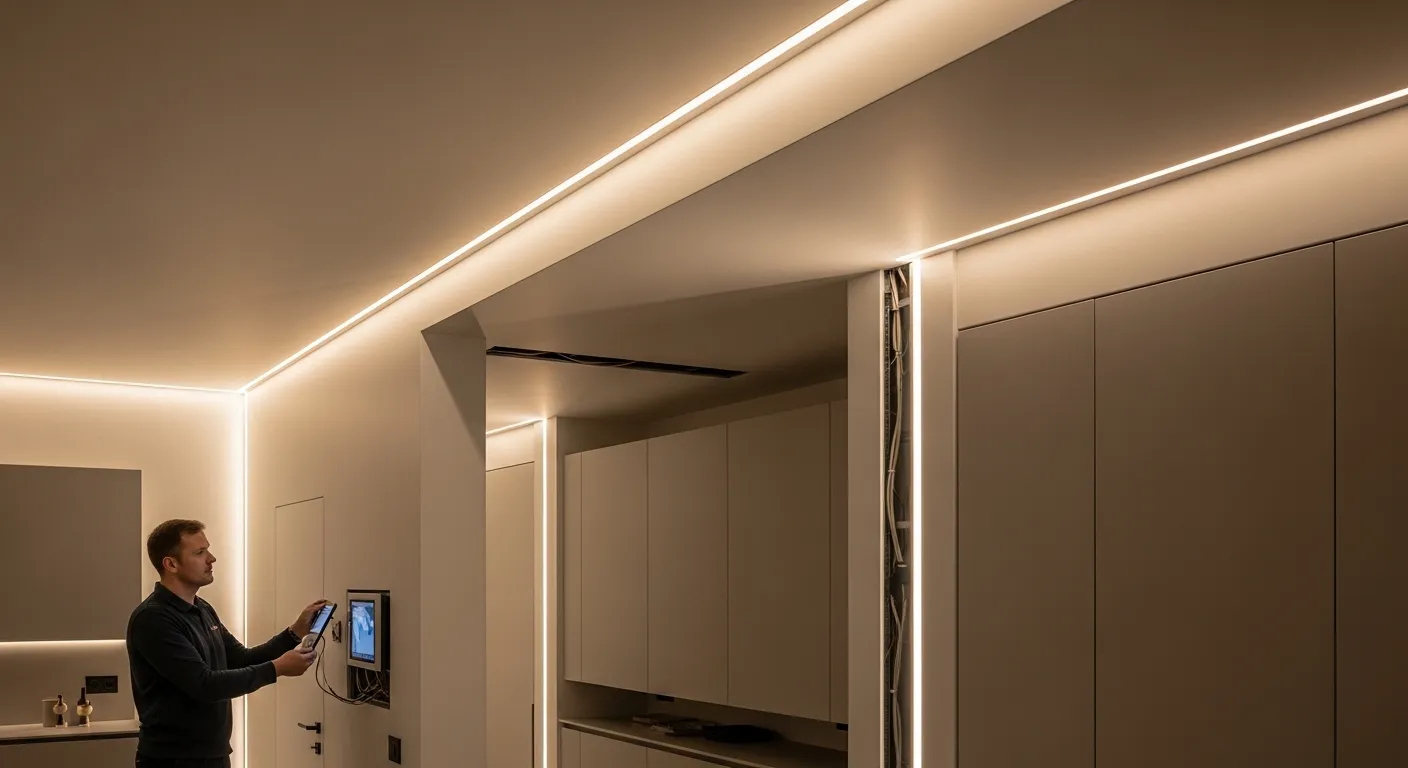
    The reality is that in a high-end interior design, lighting that is most effective is the light that you do not see. Although the decorative chandeliers and sconces are the jewellery of a room, the atmosphere is made by the invisible, linear light of a professional-equipped LED strip. In simple words the Tech Lighting Essence tape light is a functional requirement to any person who wishes to have a smooth and high density light without creating the distracting hot spots or dots like the ones created by consumer products. The Essence series is either the accuracy of engineering needed to provide a perfect finish to the underside of a quartz countertop, or the floating effect of a bathroom vanity, or a complicated tray ceiling. You will see that in leaving the conventional LED strips and going to a high density system, the light quality changes not only to a mere utility, but also into an elegant architectural effect.

    Engineering of dense illumination.

    The only difference between the Tech Lighting Essence and the numerous LED strips available in the market is the density of the diodes. The individual light-emitting diodes are spaced comparatively apart in a typical LED tape. You observe a row of bright dots instead of a continuous line of light when this light is reflected off a polished surface, or when it is put behind a thin diffuser. Essence is designed to be high-density (that is, the diodes are tightly stacked).

    Moreover, this dense technique makes sure that the light diffuses nearly as soon as it is out of the strip. Therefore, coupled with a frosted lens or an architectural channel the effect is a flawlessly even “neon-like glow. This is done by using a 24-volt DC system (24 V ) which is better than the usual 12\text V DC system used by DIY kits. The increased voltage permits an extension of the run length with a low voltage drop – the effect that when the end of a strip of light is turned on, it becomes dimmer than when it is turned off. This means that your installation will be the same brightness throughout the entire inch without any variation and this will deliver a dependable and professional look to any project.

    Color Accuracy and High CRI Significance.

    The Color Rendering Index (CRI) is one of the least known features of LED lighting. There are numerous cheap LED strips with low CRI, and thus the colors appear flat, muddy, or even unnaturally gray. The Tech Lighting Essence tape has a high CRI of up to 90+ and is necessary in spaces that require accuracy of color, i.e. in a kitchen, a walk-in closet or an art gallery.

    Essence uses the high-quality phosphor coatings on all the diodes to make sure that reds appear vibrant, wood tones appear rich and skin tones appear natural. Thus, it is a muted enricher to your interior materials. When you have spent a lot of money on high-end cabinetry or something costly like marble, it would be an insult to such a resource to spend the money on a low-quality source of light. As a low-CRI light source is a red flag to your interior design a car with a low-CRI light source is also a red flag to your interior design- it will never be able to get the space to its full visual potential. In simple terms, Essence delivers the high-definition output that modern-day luxury deserves.

    Thermal Management and Prolonged life.

    The main aggressor of LED life span is heat. When LEDs are stacked in high-density formations, they produce a lot of thermal energy within a small space. This heat will result in the diodes changing color (yellow or blue in the long run) and breaking down prematurely without appropriate management.

    The solution to this is found in Tech Lighting Essence with a strong, multi-layer, copper PCB (Printed Circuit Board). This copper is much thicker and serves as a heat sink, moving the thermal energy off the vulnerable LED chips and distributing it over the surface area of the tape. This engineering enables the Essence series to have a brightness that lasts a rated life of 50,000 hours. This is more than 25 years of uninterrupted service to the average homeowner using his/her lights 5 hours per day. Above all, this thermal efficiency will mean that the adhesive backing will not collapse because of heat-cycling, and your tape will be firmly attached in the long term.

    Personalization: Field-Cuttable and Flexible.

    The Essence tape is easy to customize in the field, despite having high-tech internals. Clear cut points are drawn at regular intervals (usually every 2-4 inches) on the strip. This can enable an installer to cut the tape to fit the exact size of a cabinet or cove without having to make specific factory orders.

    This has been carried over to the installation process. The tape is thin and flexible enough to fit into tight spaces or it can be mounted in shallow aluminum extrusion. The Essence tape fits in the shape of the space, whether you are making a path of lights along a baseboard of a corridor or fitting the tape into a curved shape in a piece of architecture. It makes sure that the lighting is in harmony with the architecture and not the other way round.

    System Powering: Drivers and Dimming.

    A tape light is as good as its power supply, or “driver” is. The Essence system is built to operate with a variety of Tech Lighting high-efficiency drivers that transform your homes 120 VAC power into the constant power of 24 V DC that the tape needs.

    The ability to work with the latest dimming protocols is one of the brightest aspects of the Essence line.

    ELV (Electronic Low Voltage):

    Smooth dimming down to 1% without flicker.

    TRIAC (Leading Edge):

    Works with most standard wall dimmers.

    0-10V:

    Commercial spaces and smart home integration standard.

    With a high-quality driver, you do away with the buzzing or flickering that can be so common in lower-end LED installations. This steadiness is a practical requirement to establish a comfortable atmosphere. A good driver is as much a guarantee that your lighting system is sensitive and dependable just as a constant Pilot Light is an assurance that your furnace is ready to work.

    Best Practices: How to Install the Finish in a Professional Finish.

    Tech Lighting Essence needs to be installed with several main rules in mind in order to attain maximum results:

    Install with Aluminum Channels:

    Although the tape does have an adhesive backing, there are two benefits to mounting the tape into an aluminum extrusion or channel: not only does it conduct the heat further away, but also a frosted lens can be snap-on, diffusing the light perfectly.

    Clean Your Surfaces:

    Before taping the tape, wipe the mounting surface with isopropyl alcohol. A dust or oil will make the adhesive fail in due course resulting in ugly sagging.

    Compute Your Load:

    Make sure that the total wattage of your tape run does not exceed 80% of the rated capacity of the driver. This is the overhead that does not allow the driver to overheat and prolongs the life of the whole system.

    Gauge of Wires:

    On long-runs between driver and the beginning of the tape, a heavier wire gauge (like 1\text{ AWG} or 14\text{ AWG}) should be used to avoid voltage drop and keep the light bright.

    The Aesthetic Effect: Overlaying Your Light.

    In professional design of lighting, we talk of layers. The final tool of the “Ambient” and “Accent” layers is the Essence tape light.

    Under-Cabinet:

    This is where the food is prepared and offers some light to the food preparation area and a glow to the back wall.

    Toe-Kick:

    Attached to the bottom of base cabinets, it gives the illusion of floating and is an ideal night-light when going to the kitchen at late hours.

    Cove Lighting:

    It is built into a wall recess, and reflects the light off the ceiling, to fill the whole room without shadow.

    Niche Lighting:

    Essence can be run in small, vertical runs, transforming a mere bookshelf or display niche into a centre of the room.

    The combination of these layers gives depth and dimension to a space that would never have been possible with one overhead fixture. Essentially, Essence enables you to paint with light.

    Conclusion

    The Tech Lighting Essence tape light is an expert in linear lighting. It is an architectural lighting solution that is as strong as it is attractive by integrating high-density LED technology, excellent color rendering capability, and excellent thermal control. The fact is that the quality of the light in your home determines its atmosphere. In simple words, with the selection of a professional system such as Essence, you are investing in a smooth and sophisticated environment that complements all other design decisions that you have made. No more dotted shadows and patchy colors, follow the road to professional lighting and make your home shine in its best light.

    Comparison: Tech Lighting Essence vs. Standard LED Tape

    FeatureTech Lighting EssenceStandard “Big Box” LED Tape
    Diode DensityHigh (Spot-free)Low (Visible Dots)
    Voltage24V (Stable)12V (Voltage Drop)
    CRI90+ (True Color)70–80 (Distorted Color)
    DimmingDeep, Flicker-freeLimited / Steps
    PCB QualityHeavy Copper (Cooler)Thin Foil (Hotter)
  • Sonoma Menthol Light: A Detailed Guide to Flavor, Design, and History

    Sonoma Menthol Light: A Detailed Guide to Flavor, Design, and History

    The reality is, in the extremely competitive environment of the American tobacco market, brands with a lower value tier tend to have a greater historical value than their price might indicate. Among these, Sonoma Menthol Light, later repackaged as Sonoma Menthol Gold, is one of the most successful examples of a brand that built a base of loyal customers through a focus on consistency and budget-friendliness instead of the high-end image of glossiness. In simple terms, Sonoma was created to fulfill a certain consumer need: a dependable, easy-burning cigarette that provides a clean menthol experience without the upscale pricing of a classic brand such as Newport or Kool. You may want to know about the corporate movements of Commonwealth Brands or the precise chemistry that makes a Light menthol experience, but to get a picture of Sonoma, you need to take a glance at the manufacturing process and the regulatory atmosphere in which Sonoma has been formed. It will turn out that the history of Sonoma is a small world that reflects the larger changes of the tobacco industry that happened during the past 30 years.

    History and Production of Sonoma.

    Sonoma is a brand of the Commonwealth Brands, Inc., which was established in 1991 in Bowling Green, Kentucky. Since its inception, Commonwealth has concentrated on the low-end of the market in terms of its discounting appeal that experienced an enormous boom in the period of economic change in the early 1990s. As most of the high-end brands were increasing their prices to meet gigantic advertising costs, Sonoma did the reverse; low marketing and high value.

    Commonwealth Brands was bought by one of the largest tobacco companies in the world, Imperial Brands in 2007 (then referred to as Imperial Tobacco). With this acquisition, Sonoma received support of a worldwide supply chain and high-level laboratory standards. The kind of tobacco in Sonoma Menthol Light is generally a type of US Blend, a combination of three main types:

    Bright (Virginia):

    Offers a natural light and sweet taste profile.

    Burley:

    A more dense, air-cured tobacco gives it the so-called body and gives it high nicotine uptake.

    Oriental:

    It has small, aromatic leaves that are adding complexity and spicy undertones.

    The production of the Menthol Light variety then consists in treating this mixture with a certain proportion of menthol solution–frequently smeared upon the foil lining of the pack, or upon the tobacco itself–so that a constant portion of the cooling effect will be given off during the burn.

    The Light Menthol Profile Science.

    To see the “Light” side of Sonoma Menthol Light, one should consider the work that went into the construction of the cigarette. In the tobacco industry a “Light” cigarette is not always one that is produced using a lighter type of tobacco, rather it employs an elaborate filtration system that serves to dilute the smoke with the surrounding air.

     Perforated Filters

    Close inspection of the filter of a Sonoma Menthol Light will reveal a ring of microscopic laser-perforations. When the smoker inhales on the cigarette, he/she pulls air through these small holes that combine with the smoke. This dilution causes a reduced tar and nicotine content per puff than a Full Flavor cigarette. Consequently, the sensory experience felt is less harsh and smooth on the throat.

     Menthol Concentration andTRPM8 Receptor.

    Menthol is a substance (C 10 H 20 O) which activates the TRPM8 receptors in the body, the same receptors that pick up cold temperatures. The menthol concentration is well adjusted in the Light version of Sonoma. Excess menthol would dominate the watered-down tobacco mixture whereas insufficient would result in a thin smoke. Sonoma Menthol Light is aimed at delivering a crisp finish, as opposed to an icy blast. It is an important balance because of the functional needs of people, who smoke and desire a refreshing experience without numbing the palate completely.

    Regulatory Evolution: A Light to a Gold.

    In 2010, one of the most important events took place in the history of Sonoma Menthol Light. After the enactment of the Family Smoking Prevention and Tobacco Control Act in the United States, FDA prohibited the use of such words as Light, Mild, and Low Tar on all tobacco packets. The rationale was that these words could cause consumers to think that these products are less bad than full-flavor cigarettes.

    Sonoma responded, as did almost all other brands, changing its color-coding system. The Sonoma Menthol Light was renamed to Sonoma Menthol Gold. The iconic green and gold packaging has not changed much, as an iconic visual shorthand to the experience of Light. This was a brand masterstroke; retaining the Gold brand name, the manufacturer retained the ability to get these long-term smokers to continue enjoying their favorite combination even though the word Light had vanished off the box.

    Sensory Tasting: Taste and Smell.

    The flavor profile of Sonoma Menthol Light is usually perceived as clean and short lived. In comparison to a few quite expensive menthols, which leave a thick, syrupy flavor behind, the menthol at Sonoma is less lasting.

    The First Draw:

    This is an initial coolness that is experienced at the tip of the tongue and the throat at the same time.

    Mid-Smoke:

    The natural sweetness of the Virginia tobacco starts to come out but it is still secondary to the menthol.

    The Finish:

    Due to the high-ventilation filter, the finish is fast, and a lot of unspent smoke aroma remains in the breath or clothes like non-menthol varieties.

    To the price-sensitive consumer, this constancy is the main attraction. In the same way that a car has a warning light telling you when it requires particular care, the “Gold” pack of Sonoma is a warning that the particular level of intensity is known and will remain constant regardless of the corporate migrations of the brand.

    Packaging/Design Aesthetic.

    The Sonoma pack design has always been inclined towards the No-Frills philosophy. It does not have holographic foils or embossed textures of high quality brands, which contributes to the low retail price.

    The Logo:

    The Sonoma logo has got a stylized and sophisticated font which conveys a touch of tradition even though the brand is comparatively new in comparison with rival brands that are centuries old.

    Color Theory:

    The application of both Forest Green and Metallic Gold are intentional. The industry universally considers green to be the signifier of menthol, and gold to be the Light or Premium Light category.

    Durability:

    The Flip-Top box is crafted of regular grade cardstock, which is meant to cushion the 20 cigarettes inside the box against being trampled in a pocket or bag.

    The Market Position: Why Sonoma Endures.

    The fact is that the discount cigarette market is very volatile. Brands enter and exit the market as companies merge their brands. Sonoma is the only one which has managed to endure where others had failed since it managed to position itself as the Premium Discount choice. It provided a superior quality control compared to the generic or fourth tier brands at a lower cost than the big three manufacturers.

    Moreover, Sonoma was able to exploit a certain geographic devotion to the place. Although the brand was popular throughout the US, it was particularly strong in the Southeast and Midwest, where the legacy of the Tobacco Road is still very strong. The simplicity of the menthol mix and keeping it unadulterated helped Sonoma to avoid the flavor fatigue trap, in which smokers grow weary of excessively complex or highly-flavored products and revert to the original.

    Environmental and Social Impact.

    Similar to all tobacco products, Sonoma has come under greater examination as to its environmental impact. The Sonoma Menthol Light filters are composed of cellulose acetate, which is a kind of plastic, though technically biodegradable, which may take years to degrade in the environment. In more recent years, Imperial Brands has publicly pledged to cut the environmental footprint of its manufacturing plant, but the waste of the end-product continues to be a challenge to the industry overall.

    The Menthol category has been in the spotlight of the heated debate in the legislative arena socially. The supporters of the ban of menthol claim that young people will have an easier time starting smoking due to the cooling effect, whereas opponents claim that such a ban will discriminate against adult users who have been consuming the products decades ago. Since this “Lighted Path” of regulation is still developing, the future of such brands as Sonoma Menthol Gold is still a subject of a high-stakes debate in Washington, D.C.

    Conclusion

    Sonoma Menthol Light (Gold) is an important milestone in the history of the so-called value cigarette. The brand offered a cooling and smoother substitute to millions of smokers by perfecting the production of the perforated filter and having a consistent US tobacco mix. The reality is that the tobacco world is a world of small margins, regulatory challenges and changing consumer preferences. In simple terms, the fact that Sonoma managed to overcome these hurdles, starting with the 1990s discount boom and ending with 2010 rebranding, is a fact that the reliability of the brand is based upon. Regardless of whether it is considered a low-cost commodity or even a piece of American industrial history, Sonoma Menthol Gold has continued to be a dominant presence on the shelf, with its mentholated freshness that has resisted the sands of time. Go the way of knowing the goods you see daily, and you will find a world of elaborate design in the most simple of boxes made of gold and green.

    Comparison: Sonoma Menthol Full Flavor vs. Menthol Gold (Light)

    FeatureSonoma Menthol (Green/Red)Sonoma Menthol Gold (Light)
    Filter TypeStandard DensityLaser-Perforated (High Ventilation)
    Tobacco BlendHeavier Burley ContentHigher Virginia Content
    Menthol LevelHigh / RobustModerate / Crisp
    Nicotine Delivery0.9mg (approx.)0.8mg (approx.)
    Draw ResistanceTighterAirier / Easier
  • Moxie Light Weights & Gliders Barre: The Ultimate Low-Impact Sculpting Guide

    Moxie Light Weights & Gliders Barre: The Ultimate Low-Impact Sculpting Guide

    The fact of the matter is, most fitness lovers are lured into the trap that any workout is only effective when it is filled with bone crushing impact or huge Olympic weights. The Moxie light weights and gliders barre technique however defies this story because it focuses on accuracy, stability, and muscle endurance instead of brute strength. In short, this is a masterpiece of the burn of micro-movements and tension that is always present in this workout. With small and focused resistance and friction-free conditions of sliding discs, you are using the deep stabilizer muscles that are usually ignored in weightlifting. This routine is a sophisticated journey to functional strength whether you are bouncing back after an injury, cross-training, or you aspire to have a dancer-like figure. You will discover that with a removal of momentum added to the equation, even a 2 lb. Weight is monumental.

    The Barre Science: Low Impact vs. Low Intensity.

    In order to see why the Moxie approach is so effective, we should refer to the physiological concept of Time Under Tension (TUT). Movements within a high-impact gym are usually explosive and apply force provided by momentum to transport a load between point A and B. This can be effective in power, but tends to circumvent the smaller stabilizing muscles. Barre sets this notion against itself. The slow movement and introduction of isometric holds (when the muscle does not change in length but remains in a contracted position) overload the muscle fibres, making them operate at their peak for an extended period.

    Moreover, since it is a low-impact workout, the pressure on your muscular system will be minimal. During a normal lunge, when your foot hits the floor, the impact is felt by your ankle, knee, and hip in a shockwave. During a glider-aided lunge, your foot does not touch the floor, it is a closed kinetic chain environment. The joints are thus spared and the muscles overworked since they have to “brake” the movement during the slide. This will lead to unbelievable power in the connective tissue and the intrinsic muscle of the core. Above all, it provides a sustainable fitness model that you can do over the years without the wear and tear that come with high-intensity interval training (HIIT).

    The Role of Gliders: Master of Instability.

    Gliders, or sliding discs, are, perhaps, the least glorified of the contemporary fitness tools. These are small circular pads, which enable you to move around the floor in a direction that is controlled. They are applied in a Moxie barre class, where they are used to provide a sense of instability to all motions. When you step on a glider, your core should quickly react in order to stop your leg drifting off.

    This continuous activity is a practical requirement towards the building of a robust midsection. It is not merely the six-pack muscles, but the transverse abdominis and the obliques, which go around your spine like a corset. Doing a mountain climber on gliders or a pike-up, you are eliminating the option to hop your feet into place. Each inch of that slide must be pulled by a conscious effort of the muscle. Thus, the gliders serve as a feedback mechanism- the worse your shape the more the glider will fly around. When your core is locked, and your alignment is complete, the motion will be smooth and fluid. In simple terms, the gliders are your guide coach.

    Light Weights: The Strength of High-Volume Resistance.

    Light weights in a Moxie routine are usually considered to be between 1\text{ lb} and 5\text{ lbs} dumbbells. These may seem like toys to a newcomer but within the tenth minute of the arm series the same becomes lead. The plan here is muscular endurance. You can get to the level of sarcoplasmic hypertrophy by doing high-repetition sets (usually 30-50 reps per movement) so that the muscle cell stores more energy to support the workload sustained.

    What the majority of individuals are unaware of is that heavy lifting is mainly geared towards the Type II fast-twitch fibers that are not only very powerful but also easily exhausted. Light-weight barre training is designed to strike on Type I slow-twitch muscles, the ones that make you sit up and give you endurance. The muscles are made to shrink-wrap by keeping the volume of movement at a high volume with 2\text{ lbs} or 3 lbs of weight and does not add extra mass to the frame. Here is the characteristic of the barre: thin, sharp, and incredibly powerful.

    Essentials of the Moxie Technique.

     The Spinal Alignment and Pelvic Tuck.

    The foundation of any barre move is a “neutral spine” or a slight “pelvic tuck.” This makes sure that the work is in the desired muscles and not the lower back. In the event of glider lunges or weight exercises that are done standing, the instructors will insist on keeping the ribs knitted. This eliminates the possibility of the back arching which is the typical indicator of core fatigue-similar to the warning light in a car signaling a malfunction within the car. By learning to do this alignment, you will make sure that all the repetitions are safe and effective.

     The “Barre Shake”

    When you feel your muscles trembling when a series of tiny pulses are given, you have hit the gold standard of barre. This vibration is due to fatigue of motor units. The transformation occurs in the nervous system as it tries to make the muscle fibers fire in a coordinated manner. This is an indicator that you have reached beyond your present capacity and are developing new capacity. The shake is, simply put, the sentiment of change.

     Fluidity and Transitions

    A Moxie lesson is frequently set to music, so that the movements between a series of gliders and a series of weights are smooth. This maintains the heart rate at a higher level in a fat-burning zone without the intense cardio spurts that a treadmill would need. The fluidity of the class contributes to the coordination and mind-muscle connection. You are not pushing weights around but you are guiding your body in a complicated rhythmic pattern of forms.

    The Gliders as Part of Your Lower Body Workout.

    The lower body should be trained to use gliders to the fullest extent and this is achieved by concentrating on the lower part- the eccentric part- the part where the muscle stretches.

    Lateral Lunges:

    When you slide the leg to the side, inner thighs (adductors) should act in order to balance the fall. Then you will have to draw the glider back to the center with the same muscles.

    Curtsy Lunges:

    Shifting the foot backward and across the midline is worked on to hit the gluteus medius which is the muscle that gives the appearance of being lifted and stabilizing the hips.

    Hamstring Curls:

    lie on your back, with your heels placed on the gliders, and move your legs in and out. It is one of the most vigorous methods of attacking the posterior chain without employing a heavy machine.

    In the case of an individual with a mass weight of 150 lb. friction and resistance generated by a glider can cause a perceived load to be increased by 10 to 15 percent merely by the effort needed to maintain the movement.

    Precision Sculpting of the upper body.

    The upper body part of a Moxie barre workout typically has extremely small motions–sometimes only one or two inches.

    The “Goalpost” Press:

    Pulsations of weights of 2\text{ lb} at angles of 90.

    Tricep Kickbacks:

    Stretching the arms back and giving small circles. This is aimed at the horse-shoe muscle of the arm in a surgical manner.

    Weightless Resistance:

    Surprisingly some parts do not even require weights. A considerable burn can be obtained with no external load, by developing a sense of self-resistance–what it feels like to move your arms through thick honey–as you do.

    The Mental Game: mindfulness and Moxie.

    It is not by chance that Moxie is called so. It is the determination and perseverance which is required in the move when muscles are burning and the urge to give up is great. Due to the small movements, the exercise is insanely mental. To hold on to the tuck, hold on to the weight and maneuver the glider, you must remain in the body. This is what makes barre a kind of a moving meditation. It makes you forget about outside pressures, and concentrate wholly on the resistance of 1/lbs of your hand.

    Home establishment and maintenance.

    The Moxie weights and gliders routine is one of the best things due to the fact it is very portable.

    Glider Surface:

    Gliders with felt bottoms (or even a pair of socks) will work on hardwoods or tiles. Assuming you have a carpet, you should have plastic-bottomed gliders (or even plastic furniture sliders).

    Weight Substitutes:

    When you are on the road, two 1\text{ oz} water bottles weigh about 1 lb each and can make improvised dumbbells.

    Space Needs:

    You just need an area that is about the size of a yoga mat (2′ x ‘ ), so it is the perfect routine to do when living in an apartment.

    To keep your equipment clean, wipe your gliders at the end of each session. Dust or grit caught under the glider may scratch your floors and raise the level of friction to a level of safety. Likewise, make sure that your weights are coated with a neoprene or rubber covering to give it a safe grip particularly when your hands start to sweat.

    Avoiding Common Pitfalls

    Over-Sliding:

    This is when the glider is over-slid and the beginner loses control and dumps the weight upon his/her joints. You should be small and controlled in your movements until your strength increases.

    Gripping the Weights Too Hard:

    When you get tired in your forearms before your shoulders, chances are that you are death-gripping the weights. Hold loosely and softly to make sure that the work remains in the bigger groups of muscles.

    Breathless:

    Since the activity is slow and isometric, individuals tend to forget to breathe. Focus on a “sharp exhale” during the most difficult part of the move to help engage your deep core.

    Conclusion

    The Moxie light weights and glider barre workout is a testament to the power of the “small stuff.” By focusing on the details of alignment, the science of time-under-tension, and the challenge of instability, you can achieve a level of physical definition and functional strength that few other routines can offer. The truth is, you don’t need a massive rack of weights or a high-impact treadmill to see results. Simply put, by integrating these low-impact tools into your life, you are choosing a sustainable, intelligent path to fitness. Don’t be afraid of the 1\text{ lb} weight—in the world of Moxie, it is more than enough to change your body from the inside out. Take the path to a stronger, more resilient version of yourself, one slide and one pulse at a time.

  • M951 Tactical Light Airsoft: A Complete Guide to Enhanced CQB Illumination

    M951 Tactical Light Airsoft: A Complete Guide to Enhanced CQB Illumination

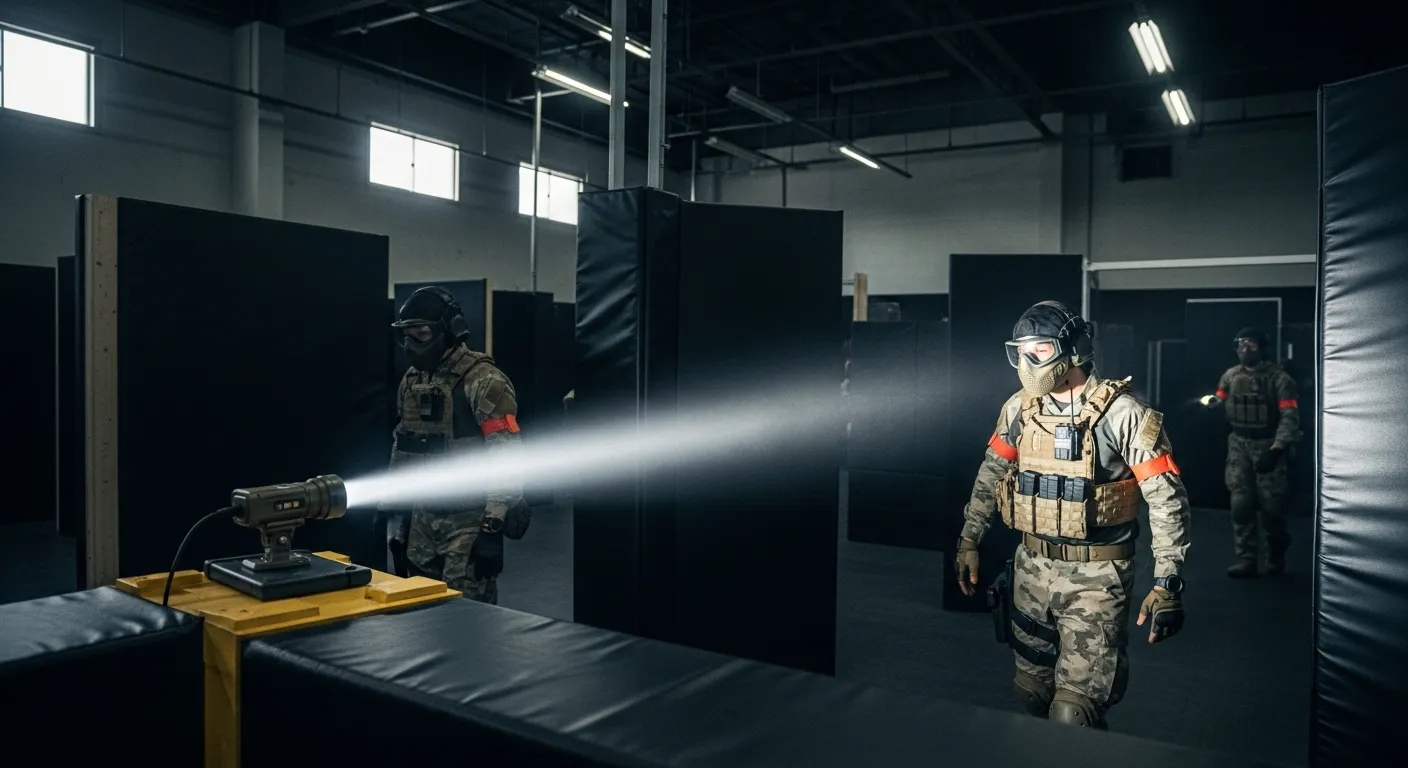
    The fact is that when most airsoft players are busy paying attention to their internal gearbox or extra-expensive optics, they tend to forget about the tactical need of a quality weapon light. A dark corner or a darkened hallway is as much of a deterrent in a Close Quarters Battle (CQB) environment as a barricade. In a nutshell, the M951 light airsoft replica tactical weapon is, simply put, a classic. It has been designed to resemble the legendary SureFire Millenium Series and has the bold appearance of a high-end military construct and the practical appeal of a high-output LED. Be it clearing rooms or calling your teammates, the presence of a strong light on your rail system alters the game. You will discover that having a player who can blind an opponent with a white out will provide you with a split second advantage that can oftentimes mean the difference between winning a firefight.

    What is the M951 Tactical Light of Airsoft?

    The M951 is a tactical flashlight with a large format that is intended to fit Picatinny rail systems (MIL-STD-1913). They are generally high quality replicas in the airsoft scene, sometimes made under a brand name such as SOTAC, WADSN or Night Evolution, but reflecting the heavy-duty aluminum construction of the original. In contrast to smaller, contemporary “scout” lights, the M951 is a heavier light with a larger body, and is popular with players who are assembling a loadout inspired by the SOPMOD Block I/II. It generally has a big bezel which assists in heat dissipation and a special system of dual switch.

    However, this light has more than just an old-fashioned look. Two CR123A batteries are used to power most airsoft M951 models, and provide a constant voltage of \text{V} to a high efficiency LED bulb. As a result, these lights are capable of achieving up to 180-500 lumens and this is sufficient to guide one through indoor arenas or blinden-up the opponent in low-light environments. Consequently, it can be used as a tactical device and as a surfing resource. Above all, the M951 is constructed to absorb the bumps and vibrations of a normal airsoft game, which means that your path remains unobstructed even when there is a lot of movement.

    Why Is a Tactical Light Important in Airsoft?

    The main reason to operate an M951 is visual dominance. When you go into a dark room and turn on a high-lumen light, you are not merely seeing–you are constructing a wall of light that prevents an opponent using your particular silhouette to see you. This is an effective requirement of rough-and-tumble point-man play styles. It causes the other player to move away or strain to see and this will provide you with half a second to make a correct shot. It makes the darkness be on your side, rather than against you.

    Moreover, a field light is also a necessary means of communication. The fact that most people are not aware of is that light discipline is an art. Quick strobes can also be used to indicate “ready” or “clear” to your squad without any sound. Energize your M951 into your lighting plan in your gear and you enhance the overall coordination of your team. In a word, the M951 is a force multiplier; it will transform an ordinary rifle into a night-time and indoor weapon.

    The M951 Airsoft Replica has several important characteristics.

    Pressure Pad and Tail Cap Switches.

    The M951 typically has two modes of operation: a standard push-button tail cap to operate in constant-on mode, and a remote pressure switch (tape switch) to operate in momentary-on mode. The pressure switch is essential in tactical play, it can be placed right where you hold your hand on the vertical grip or handguard. This enables you to flash the light when you really need to, and not be a constant glowing target by the other team.

    Thumb Screw Rail Mount

    The M951 has a large, knurled thumb screw mount or an internal rail clamp unlike newer lights which need hex keys. This enables a rapid tool free installation and removal. It is extremely safe, and is built to withstand the vibrations (even in Gas Blowback rifles) without becoming loose. The mount will fit regular 22mm RIS rails, which allows the mount to keep the light more hidden on the rail to reduce snagging on gear or vegetation.

    Aluminum Build and Strength.

    Between 951 replicas are manufactured by a reputable manufacturer using high-strength aerospace aluminum subject to CNC-machining, and are sealed with an O-ring around the body. This gives it some waterproofing and shock resistance which is necessary when playing outdoors in the rain. Although it is no diving car, it can definitely cope with a wet forest road. The aluminum (average weight of 220g to 450g) also provides a realistic feel of heft to your airsoft firearm, making the experience of training more realistic.

    CREE LED Technology

    Contemporary imitations use CREE LED diodes to attain high brightness at low power consumption. Original incandescent models had a short life and low output, but the LED models offer a significantly cleaner “cool white” beam with a range of up to 130\text{m} distance. This targeted burst is critical in tracking the paths of the flight of the BB when it is dark so that you can be able to trace your shots on the target without the use of costly tracer modules and glowing BBs.

    Installation and Battery Management.

    Installation of Pressure Switch Wire.

    Another typical rookie error is to leave the pressure switch wire hanging. This is a big snag danger. Connect the wire to the handguard using small zip ties, or cable management rail covers. This will make sure that the wire does not get entangled on your sling or a section of covering during a high-stress action.

    Understanding Battery Drain

    The M951 uses high-output LED, so it may burn through CR123A batteries fairly fast in the constant-on mode, unless set to run constantly–most models have a run time of approximately 2 hours. Always have an additional set of batteries in your grip or pouch in case you have no power left during your play. When a gray or yellowing beam on your M951 reminds you that you have a low battery, the same way you check the lights in your car to know you have no power, you are notified to change the batteries as soon as you can to ensure optimal brightness.

    Lens Protection

    The glass lens of a tactical light can be easily broken by Airsoft BBs. You can avoid this by purchasing or making a little circle of Lexan (polycarbonate) of 2\text{mm} diameter and affixing it to the lens using a small strip of electrical tape or a bezel ring. This serves as a kind of a sacrificial shield, so that your lighting is not damaged after a fierce firefight.

    CQB Tactics.

    The Flash and Move.

    The best technique to employ an M951 is the flash and move technique. You switch the light on briefly to point at something or a route, then switch the light off and shift to another position. This makes sure that the enemy does not have a guide on where your light source has been and shoot where they can last see the glow.

    Backlighting and Shadows

    Be careful not to “light up” your own teammates. When you stand with a teammate and turn on your M951 you form a shadow puppet of that person that the enemy can see. Communication is important; make sure your light is always aimed at the danger and not at the heads of your squad.

    Tracing Your BBs

    The beam of the M951 is of high lumen and will light up your BBs as they come out the barrel in a dark environment. This lets you make adjustments to your fire as it is going on so you can literally use your light as a road map. This proves particularly useful in indoor arenas where optics may be difficult to operate as a result of fogging or low contrast.

    Maintenance and Care

    Cleaning the Lens

    The lens may be clouded with soot and dust from the field. Wipe the glass with a microfiber cloth and a drop of lens cleaner. Also, do not use rough materials that may scratch the surface because the scratches will leave the light in a scattered form and the light will not have a focused throw.

    O-Ring Lubrication

    To be weatherproof, a little silicone grease may be put on the O-rings at the tail cap and bezel. This does not allow the rubber to dry up and crack, keeping the moisture out of the \text{V} electrical circuit.

    Checking Connections

    When your light starts flickering, it is normally due to a loose tail cap or dirty contact point. Unscrew the top and wipe the metal threads and the contacts of the battery with a Q-tip with a small amount of isopropyl alcohol. The easiest method of ensuring that the heat of battle does not cause failure is by ensuring a tight and clean connection.

    Conclusion

    The M951 light airsoft tactic replica is a sturdy, proficient, and attractive addition to a loadout. It offers you a strong temporary light source, enabling you to safely walk through a dark path and also to have a psychological advantage over your enemies. The reality is that airsoft is an angle and visibility game. In a word, he, who has the light, has the engagement. Are you a serious milsim player or a weekend CQB warrior, the M951 is an indispensable device that will help you never be caught in the dark. Waiting until you have failed is pointless; you can be on the game with an M951 and have an entirely different view of it.

    Comparison: M951 vs. M952 (Airsoft Replicas)

    FeatureM951 Standard LEDM952 IR Capable
    Output180–500 Lumens180–400 Lumens
    Light TypeVisible White LEDWhite LED + IR Filter
    Best UseCQB / Low LightNight Vision Operations
    MountingPicatinny Thumb ScrewPicatinny QD Lever
    WeightModerateSlightly Heavier

    Frequently Asked Questions

    Is 500 lumens too bright for airsoft?

    In outdoor games, 500 lumens is perfect. In very tight indoor spaces with white walls, you might experience “splash back,” where the light reflects off the wall and blinds you. However, most players find that the tactical advantage of blinding the opponent outweighs the minor glare.

    Can I use rechargeable batteries in an M951?

    You can use RCR123A (1340) rechargeable batteries, but be careful. Rechargeable versions often have a higher resting voltage (7\text{V} to 2\text{V}) compared to standard disposables (0\text{V}). Ensure your specific M951 LED driver can handle the combined 4\text{V} to avoid burning out the bulb.

    How do I fix a flickering pressure switch?

    Flickering is usually caused by a loose connection where the wire enters the tail cap. Ensure the tail cap is screwed on tight. If the flicker persists, check the “plug” connection; sometimes a bit of debris gets inside the port, preventing a solid electrical contact.

    Why is my light getting hot?

    High-output LEDs generate heat at the base. This is normal during extended use. The aluminum body of the M951 acts as a heat sink to dissipate this energy. If the light becomes too hot to touch, turn it off for a few minutes to let the internal housing cool down.

    What is the “Black” vs “Dark Earth” version?

    The choice between Black and Dark Earth (DE/Tan) is purely aesthetic. Most “Milsim” players choose the color that matches their rifle’s furniture (e.g., DE for a Mk18 build) to maintain a cohesive look. Both versions feature the same internal 500 lumen LED technology.

  • Lightli Candles: The Masterclass in Moving Flame Flameless Technology

    Lightli Candles: The Masterclass in Moving Flame Flameless Technology

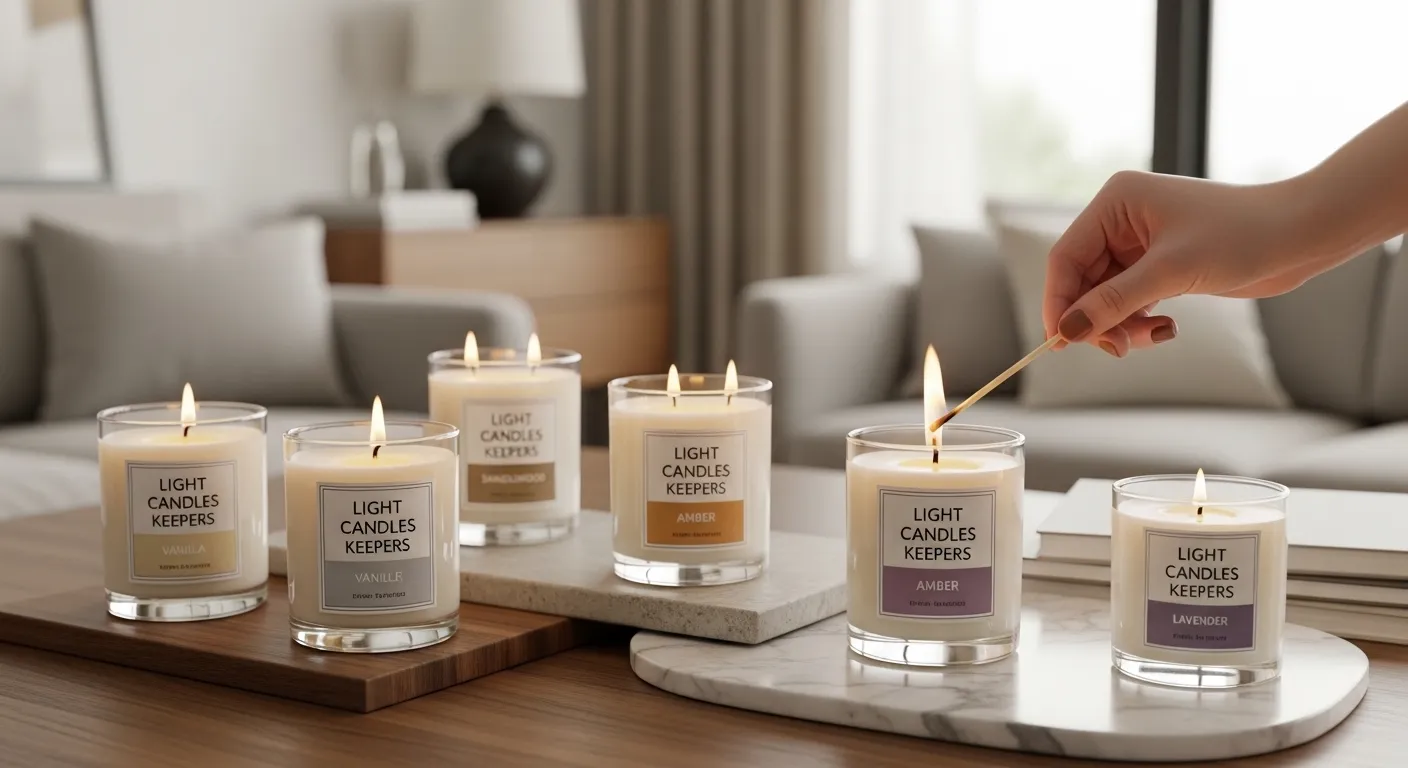
    The reality is, although the flameless candle market has been flooded with flickering LEDs that seem to be little more than flickering bulbs, Lightli candles are a radical change in the way we replicate fire. These candles were created by Liown Electronics and are designed to achieve the balance between the safety of electronics and the organic and soulful atmosphere of a classical wax pillar. Lightli is in simple terms not a light, it is a mechanical re-creation of a living flame. If you are planning a fancy restaurant and open fires are a liability, or you are just seeking an easy and hassle-free method of lighting up a nursery, Lightli offers the light with no smoke, odor or danger of fire. You will see them will not be discerned by even the most critical eye when laid in a holder, as a burning wick at a distance.

    The Technology of the Moving Flame

    The unique feature of Lightli is a patentable electromagnetic technology that physically transports the flame element. Lightli (as opposed to its less expensive counterparts) incorporates a special internal circuit that forms a magnetic field. This area plays with a small magnet at the bottom of the “wick” resulting in it swinging and dancing in an irregular, non-repetitive fashion. This produces the effect of wavering you observe in touching a real candle by a slight draft.

    Additionally, a high-output LED is used as the light source and is directed upwards to the inside of the candle body on the moving piece. The light, therefore, is not simply growing dark and light; it is literally drifting over the surface of the “wick,” and throwing your walls into action, progressive, moving shadows, as a flame would have done. It is the key to lighting-design of high fidelity: the transient quality of fire. Therefore, Lightli has become a benchmark in the luxury hospitality and historical buildings where the Essential LED experience should be as real as possible. Above all, the outside is typically made of 100% natural paraffin wax, which gives it the feel and look of a traditional candle.

    Matrix Flame: The 30 Degree Revolution

    Although the conventional Moving Flame technology is groundbreaking, the Matrix Flame technology by Lightli is even more realistic. Conventional flameless candles typically appear impressive on the front, but the illusion is lost when the candles are looked at laterally or behind since the flame component in the candle is flat. The Matrix Flame remedies this through a grid of high-definition LEDs, which can be used to produce a 3-dimensional flicker that is 30-degree.

    This implies that the candle appears realistic in all directions and thus ideal in glass hurricanes, open centerpieces or any place where the candle can be seen in all directions. It is the internal processor that coordinates the LEDs to move the hot spot of the flame about the wick, just like a real flame would wrap around a bit of cotton. Thus, professional event planners who require their decoration to appear impeccable regardless of the seats occupied are in need of this functionality. It makes sure that the fantasy of fire does not get disrupted irrespective of the perspective of the viewer.

    Individualization with hi-tech Remote Technology

    The degree of control offered by their sophisticated 5-function remote is one of the strongest arguments to purchase Lightli instead of other high-end brands. Although most candles have a basic on/off switch, Lightli enables you to customize the environment to suit the atmosphere of your location.

    Brightness Control: You can even dim the LEDs when having a romantic, low-light dinner or turn them up to serve as a light during a power outage.

    Flicker Speed: The remote enables you to change the speed at which the flame dances. You can make it slow and slow, or quick and quick, to either have a relaxing bath or a lively party.

    Moving vs. Static: When you want to have a constant brightness, you can stop the physical motion of the flame and leave the LED on.

    Multi-Stage Timers: In addition to the basic 5 hour timer that is built into the base, the remote has 4, , 8 and 10 hour options. This is particularly handy in candles located in inaccessible places such as high mantels or wall sconces.

    Such fineness of control merits the elaborate refinement of the internal work. The remote-ready mode of a Lightli candle just like a Pilot Light in a fireplace maintains the electronics in a low-power sleep mode, awaiting your command.

    Materials, Finishes, and Variety of Aesthetic

    Lightli does not believe in a one size fits all approach towards decor. Their collections have a broad range of textures and finishes that will suit any interior design style.

    Real Wax Pillars

    Most Lightli candles have a shell of hand-poured paraffin wax. They come in smooth finishes that are pristine and are used in modern homes, “distressed” or “melted edge” patterns that replicate the irregular manner in which a real candle burns throughout its lifetime. The internal LED shines through the translucent wax, giving an effect of a halo that is almost the same effect as the glow of the traditional pillar.

    Specialty Sizes

    There is a wide selection of small tapers to fit into fancy candelabras, and large multi-wick pillars to fit huge fireplaces. Lightli also manufactures the “Wick to Flame” models that are designed to look like a candle in the busy setting. They have a touch-sensitive top, so that when you touch the wick, it switches on, when you blow on it it switches off, giving the experience a sense of touching and blowing realism.

    Outdoor Durability

    Wax-covered candles can only be used indoors (they may melt in direct sunlight), although Lightli does have particular outdoor candles, consisting of high-grade plastic resistant to the UV. They are immune to the elements and are completely waterproof or in other words can be used to line a walkway or patio with a safe and beautiful glimmer without blowing out in the wind.

    Battery Life and Efficiency

    Another weakness of flameless candles is that they require batteries to be changed constantly. Lightli takes care of this through efficient LED drivers. A normal pillar that can be powered by two D-cell batteries can offer more than 700 to 1,000 hours of light. With the 5-hour timer, one battery could last almost  months.

    As a car “Alternator Warning Light” is used to inform you that power is cut off, so too is a flickering or wavering flame on your Lightli that you are telling you to change batteries. Lightli manages to keep the flame bright and the movement fluid by keeping the voltage of the cells (5V/battery) as high as possible to the end of the battery life. This efficiency renders them an economical substitute to purchasing new wax candles on a regular basis, say every several weeks.

    Safety: The Ultimate Peace of Mind

    The most important benefit of Lightli technology is, of course, safety. Candles are one of the causes of home fires according to the national fire safety data. By changing to a flameless system you are eliminating the possibility of:

    Pet or Child Burns: Curious cats and toddlers will not be harmed by a moving LED flame.

    Forgotten Wicks: You can sleep with your candles burning, and you will never have to fear a disaster.

    Damage to property: No dripping wax on your costly furniture or soot-stains on your ceilings or walls.

    This enables them to be a set and forget solution to establishing a comfortable home environment. They may be placed in wooden lanterns, or even near the silk curtains, or on the bookshelves,–where a real candle would be a great risk.

    Frequently Asked Questions

    Can Lightli candles be used with any remote?

    Lightli candles are specifically keyed to the Lightli Advanced 5-Function Remote. While some generic remotes might turn them on and off, you will need the official remote to access features like flicker speed and brightness adjustment.

    What is the difference between Lightli and Luminara?

    Both brands use patented moving flame technology originally developed by Liown. However, Lightli often features the “Matrix” 30-degree flame and specific “touch-to-light” features that are unique to their product line.

    How do I clean a wax-covered Lightli candle?

    Because they are made of real wax, they can attract dust. Use a soft, lint-free cloth or a slightly damp cloth to wipe the exterior. Avoid using chemicals or submerging them in water, as this could damage the delicate electromagnetic “wick” mechanism.

    Are they scented?

    Most Lightli candles are unscented to accommodate those with allergies or sensitivities. However, because they don’t produce heat, they won’t “throw” a scent like a traditional candle even if they are infused with fragrance oils.

    Will the wax melt if I leave it in a hot car?

    Yes. Since the exterior is 100% paraffin wax, it has a melting point of approximately 120°F (49°C). Always store your wax candles in a cool, dry place.

    Conclusion

    Lightli candles are a masterclass in the intersection of physics and design. By utilizing patented moving-flame technology and high-quality materials, they provide an atmospheric warmth that is indistinguishable from the real thing. The truth is, your home deserves an ambiance that is both beautiful and secure. Simply put, Lightli candles are an investment in your peace of mind and your home’s aesthetic. Whether you are creating a “Lighted Path” for guests or simply winding down for the night, these candles ensure that the “fire” never has to go out. Don’t settle for static plastic; choose the flame that moves with you.

  • Light Eyes: The Science and Enhancement of Rare Eye Colors

    Light Eyes: The Science and Enhancement of Rare Eye Colors

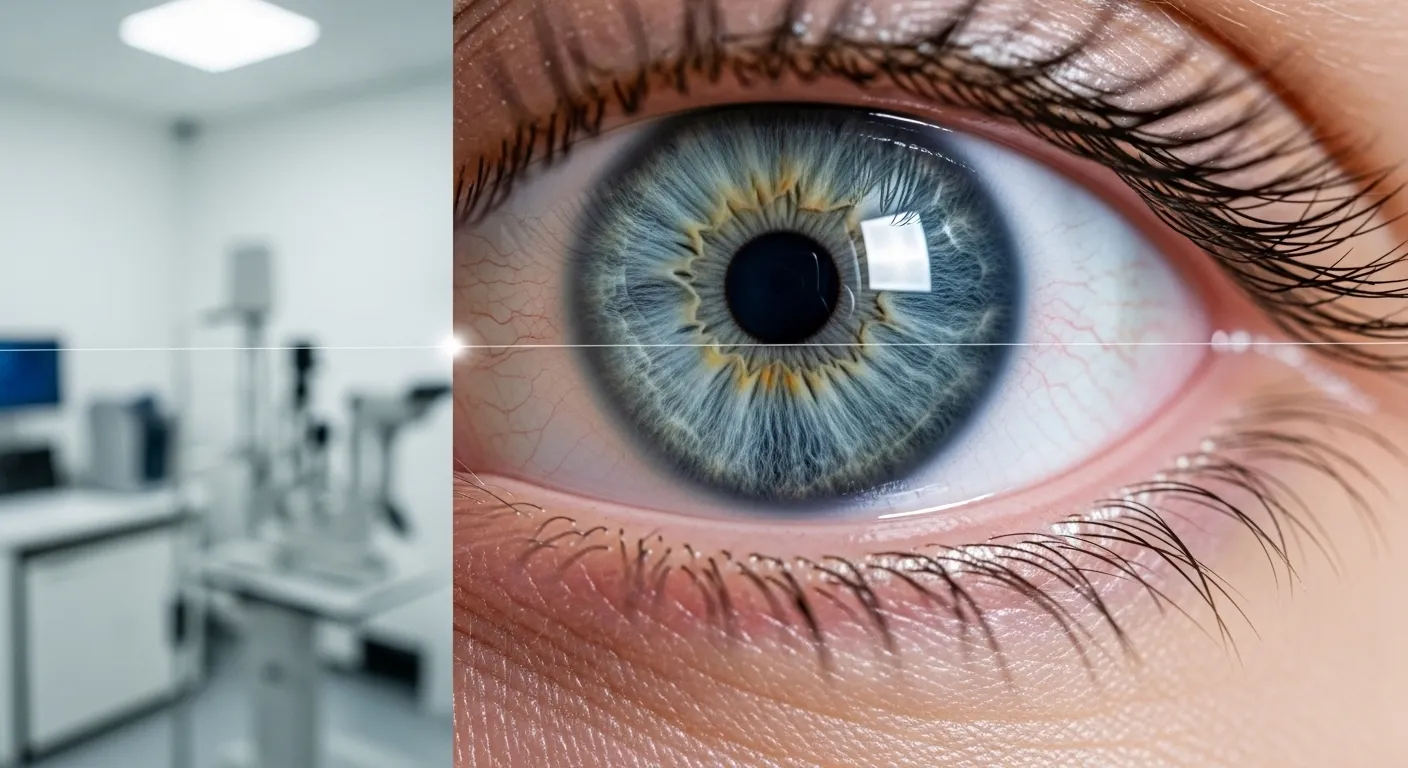
    The fact is that we tend to say that eyes are blue, green, or gray, but these colors are not present as pigments in the human iris. Brown melanin is the only major pigment in the realm of biology. Light eyes have not been caused by some other “ink” in the eye but are an optical illusion of the physics of light scattering. Just because one has light eyes, in other words, is to have a part of the sky or the sea in your eyes–a thing of structural, but not of chemical colour. You may be wondering why your eyes change color with the weather or you are searching for the right wardrobe to make them pop, but knowing these irises are scientifically how they work is a practical requirement. You will discover that when you learn how to play with light and melanin, you may treat your eyes as living prisms.

    Physics of Light Eyes: The Tyndall Effect

    The Tyndall effect is the most interesting phenomena of light eyes. A large amount of melanin in the stroma (the front of the iris) of brown eyes takes up almost all of the incoming light. But in blue, green, or gray eyes the stroma is clear, and includes but little pigment. Entering these eyes, light strikes microscopic particles in the iris and scatters.

    Since the short wavelengths (blue) are more easily scattered compared to longer wavelengths (red), the blue light is reflected back to the eyes whereas the rest of the colors are absorbed by the dark layer behind the iris. This is precisely the reason why the sky looks blue. Thus, the emergence of light eyes highly relies on the Essential LED Lighting and surrounding environmental colors. And consequently, your eyes do not simply look at the world, but they actually engage with the light of the world to make their color. Above all, since there is no definite blue color, your eye color can change depending on the Lighted Path you are walking through, and it will be darker (on a rainy day) and lighter (on a sunny day).

    The Spectrum of Rarity

    Although brown eyes are the majority in the world at about 70-79, the light eyes constitute an insignificant, heterogeneous minority amongst humans.

    Green Eyes (~2%): Green eyes tend to be the most rare common eye color because they are formed as a result of a special balance. They have a small amount of “lipochrome” (a yellowish pigment) mixed with the blue light scattering of the Tyndall effect.

    Gray Eyes (~3%): Gray eyes are commonly confused with blue, however, there are a bit more collagen deposits in the stroma. This gives light a more diffused look throughout the spectrum, making it look silvery or stormy.

    Amber Eyes (~5%): Amber eyes are not to be mistaken with hazel eyes, which are yellowish-gold in color, the color of which is due to the fact that a pigment known as lipochrome is present.

    Blue Eyes (~810%): it has been proposed that all individuals with blue eyes have one common ancestor in the Black Sea area that lived about 10 000 years ago.

    How to Improve Your Gaze: The Color Theory

    In order to make light eyes really shine you need to know about the split-complementary relationships on the color wheel. In the same way that LED Housing Lights are selected to emphasize certain architectural surfaces, your clothes and make-up can be employed to frame your iris.

     To Blue Eyes, and Gray

    Blue itself is a cool color, thus its natural counterpart is Orange. To intensify blue eyes with a warm, sun-baked look, apply warm colors:

    Fashion: Rust, terracotta, copper and deep golds. Such warm sounds form a contrast which makes the blue of the eye seem more vivid, icy.

    Makeup: Rose gold or bronze eyeshadows. It is also possible to use a brown mascara rather than black so as to have a softer frame that allows the blue iris to shine through.

     To Green and Hazel Eyes

    Green’s direct complementary color is Red. You may not be keen on the bright red eyeshadow, but the red family is your best friend:

    Wearing: Mauve, plum, burgundy, and forest green. The depth of the green can also be highlighted by wearing a darker color of your own eye color (monochromatic).

    Make up: Warm pinks and purples. The shades cancel out the redness of the whites of the eyes, making the green iris appear cleaner and sharper.

     To Amber, and Golden Eyes

    Warmth-filled amber eyes are packed, thus Cool Contrast helps them:

    Dress: Deep teals, navys, emerald greens. These cool colors draw the amber out of the gold, and, so to speak, make them look like glowing embers.

    Makeup: Navy eyeliner or cool-toned “taupe” shadows.

    Sensibility and Defence: The Price of Clarity

    Light eyes are aesthetically beautiful, but they are traded off in a biological cost, Photophobia (light sensitivity). The natural sunblock in the body is called melanin; it helps in protecting the fragile structures of the retina against UV damages. Light eyes contain a lot less melanin, which means that a greater number of UV rays are able to bypass the eye back to the back.

    You would never leave an Alternator Warning Light in your car unattended, and you should not turn a blind eye to the squint reflex. Continuous exposure to UV radiation in the absence of protective measures may cause early cataracts or macular degeneration. Thus, UV400-sunglasses are a practical requirement to any person with light skin color. Wraparound styles are particularly effective as they block peripheral light that would otherwise scatter into the iris from the sides. When you spend your workdays with Essential LED Lighting that is intense, you may want to go with blue-light filtering lenses in order to decrease screen glare discomfort as light-eyed people frequently complain of a higher intensity of discomfort.

    Lighting Your Space to See

    What you are in has a huge influence on the sensation of your eyes. In the case of people who have light eyes, indirect lighting is always better than indirect lighting.

    Diffused Light: LED Housing Lights with frosted diffusers would be preferable to eliminate hot spots of glare that are uncomfortable.

    Kelvin Temperature: Evening relaxation: Use “Warm White” (2700K -3000K) temperature. The Kelvin Daylight bulbs (lighter) of higher Kelvin (5000K) can be too intense and even clinical to delicate eyes.

    Task Lighting: A special Lighted Path lamp should be used when reading, but there should be no light coming at your face. This helps to avoid the so-called white-out effect that may occur when light is directly reflected into a low-melanin iris.

    The Secret of “Changing” Eyes

    Most light-skinned individuals assert that their eyes change color when they are angry, saddened, or are ill. The pigment remains the same; however, the size of the pupil changes. As your pupils enlarge (open up) or narrow (close down), the pupil fibers are squeezed or stretched out. This changes the density of the light-scattering particles, which can make the eye look darker or lighter in an instant. Moreover, the blood vessels in the whites of your eyes (the sclera) swell up when you are sick or crying. The red contrast may make green or blue eyes look so much brighter compared to when you are rested.

    Conclusion

    Light eyes are an exquisite, delicate work of physics. When you know that the color of your eyes is due to light scattering and not a predetermined pigment, then you can control your beauty by the Essential LED Lighting that you use and the colors that you wear. The fact is that you have the most sensitive interface with the world through your eyes. All you do is to cover them up to the sun and to emphasize them with the proper contrast, so that you get a clear, interesting Lighted Path. Never be content with the color you were born to–get to know how to play with the light and have your eyes speak their own language.

    Comparison: Eye Color Rarity & Light Interaction

    Eye ColorGlobal RarityPrimary MechanismBest Enhancement Color
    Brown70–79%High Melanin AbsorptionBright Blues & Greens
    Blue8–10%Low Melanin + Tyndall EffectCopper, Rust, Gold
    Amber~5%Lipochrome PigmentDeep Teals & Navys
    Gray~3%High Collagen ScatteringCharcoal & Rose Gold
    Green~2%Lipochrome + Tyndall EffectPlum, Mauve, Purple

    Frequently Asked Questions

    Why do my light eyes look different in photos?

    Camera flashes use a very high Kelvin “cool” light which maximizes the scattering of blue wavelengths. This is why blue eyes often look “electric” in flash photography but more “gray” in warm, indoor Essential LED Lighting.

    Can my eye color change permanently as I get older?

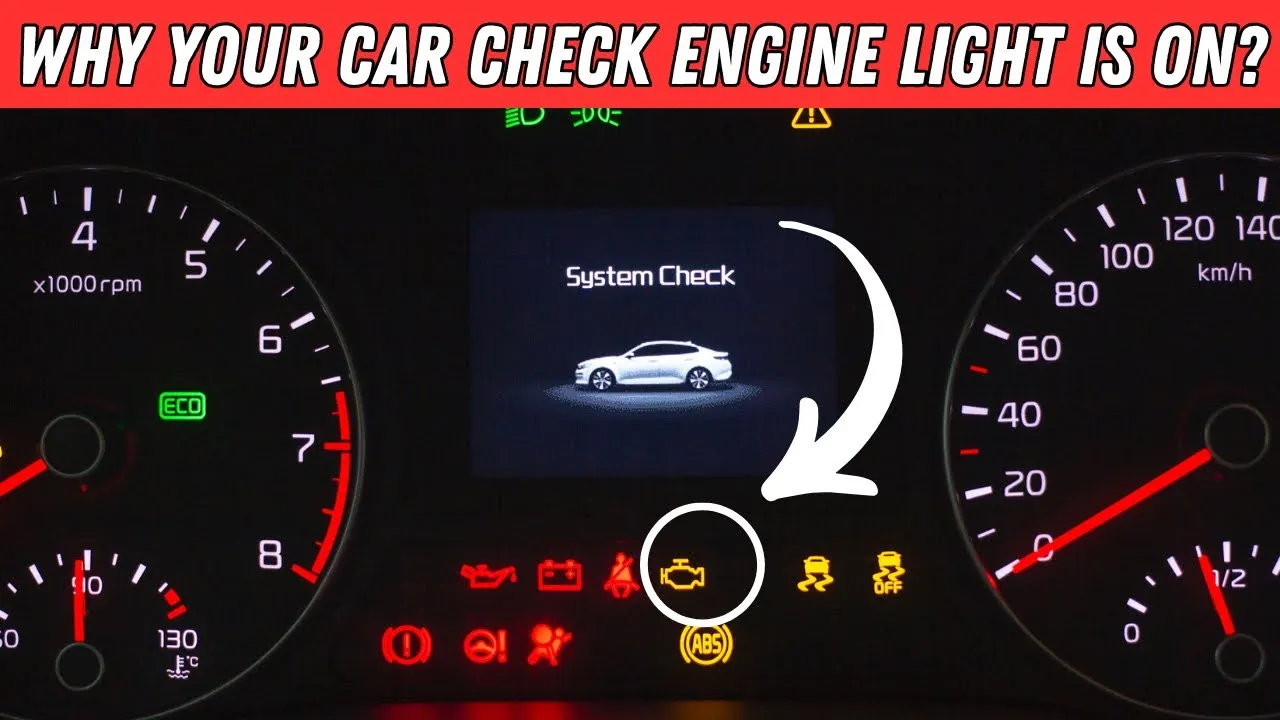
    It is rare for adults, but yes. Factors like trauma, certain medications for glaucoma, or rare diseases can increase or decrease melanin production. If you notice a sudden, permanent shift in one or both eyes, it is a signal—much like an Engine Warning Light Hyundai—that you should see an ophthalmologist immediately.

    Are light-eyed people more prone to vision problems?

    While light eyes are more sensitive to glare and UV, they are not inherently “weaker” in terms of visual acuity. However, the lack of pigment means they have a higher statistical risk for certain conditions like ocular melanoma, making regular check-ups under proper LED Housing Lights essential.

    Does “Blue Light” from screens hurt light eyes more?

    Yes, light-eyed individuals often have a lower threshold for high-energy visible (HEV) light. Using “Night Mode” on your devices can help reduce the strain caused by the intense blue wavelengths that your eyes naturally struggle to filter.

  • G80 M3 CS Euro Lights: The Ultimate Aesthetic Upgrade for BMW Enthusiasts

    G80 M3 CS Euro Lights: The Ultimate Aesthetic Upgrade for BMW Enthusiasts

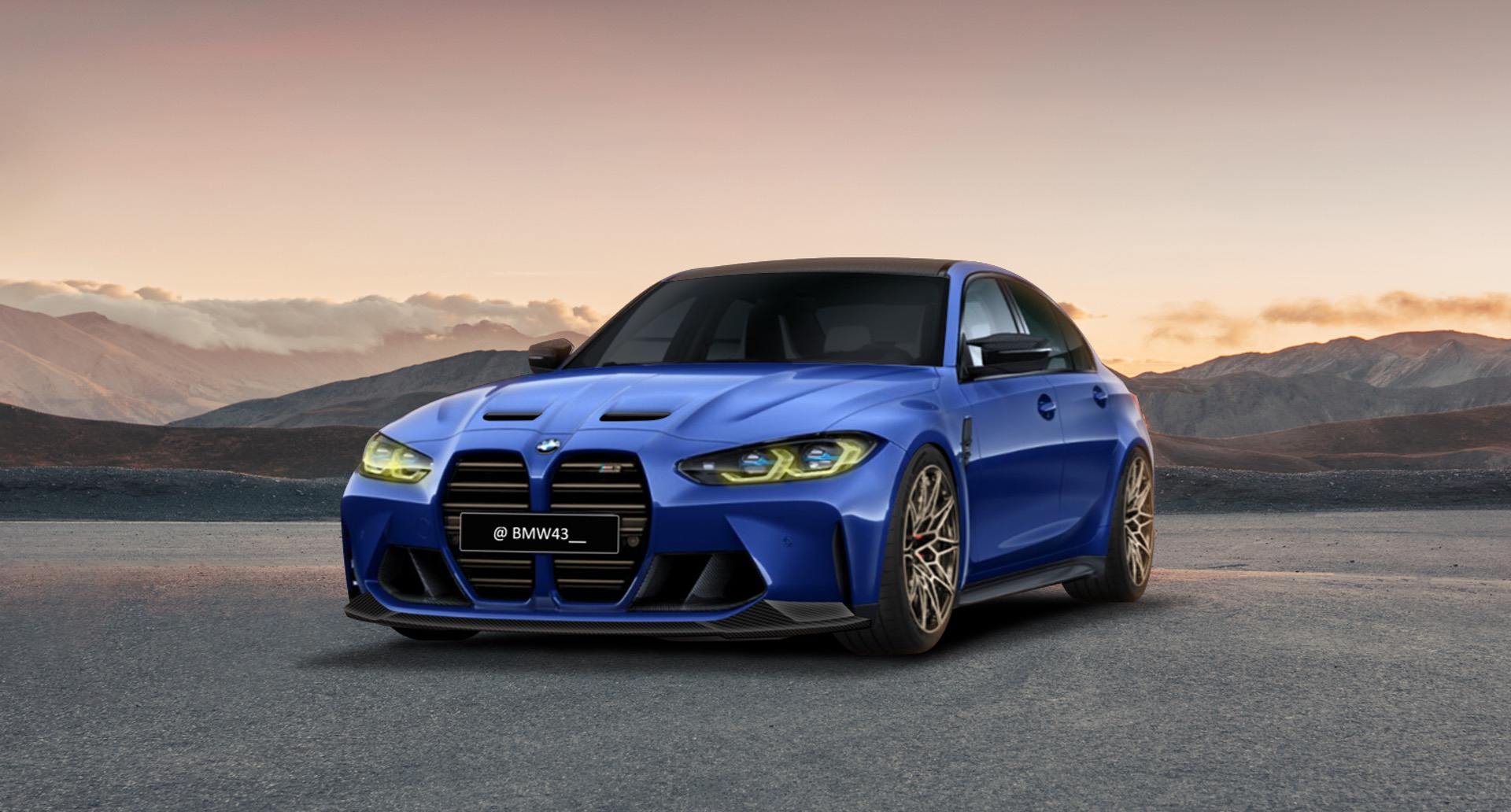
    The reality is that, to the hard core BMW fanatic, a car will never be really complete the moment it comes out of a dealership in North America. Although the G80 M3 CS is a masterpiece of modern automotive design- with its 543 hp twin-turbo inline-six and its chassis that is tuned to a surgical precision- it comes to the US with a slightly noticeable trade-off: the lighting. The high-contrast light designs the engineers in Munich had in mind are usually watered down because of old-fashioned Department of Transportation (DOT) regulations that are decades old. In simple terms G80 M3 CS Euro lights not only signify a different color bulb, but a revival of the language used in the original design of the car, and a practical necessity to anyone who requires the ultimate road presence and safety. Be it driving through a dark, rural backroad, or in the bustling crossroads, the sharp, amber burst of a European-spec taillight sends a strong signal: this is a vehicle that values clarity, tradition, and uncompromising design. You will remember that you will find there is a wide difference between the difference you see with your own eyes when you see the difference in person, and the ordinary red-on-red US signals.

    The Technical Reality of the “Euro” Conversion

    To know why the G80 M3 CS Euro lights are so much desired, it is first necessary to see what the physics of light perception are all about. Amber light (590 -595 nm) is naturally more receptive to the human eye than red light (20-750 nm) to notice a state change, like a turn signal. North American designs tend to have a common red LED bank used as both the brake light and turn signal. This gives it a pulsing effect with the whole side of the taillight turning red. Therefore, during heavy rains, snow or direct sunlight, it may be temporarily hard to differentiate between someone pumping their brakes and someone about to make a turn.

    The European spec, ECE, in contrast, employs a physically isolated, high-intensity amber LED strip that is not connected to the braking circuit. Consequently, the opposition is absolute. The sharp yellow-orange light penetrates the ambient space when the indicator is on, which gives an unambiguous and instantaneous signal. This is the foundation of Essential LED Lighting design- color and frequency to enhance communication between vehicles. When you transfer to a Euro-spec unit, you are bringing your G80 to the very highest world standards of safety, and your Lighted Path will be noticed by all the people behind you, whatever the weather.

    Aesthetic Superiority and the OEM + Philosophy

    The aesthetic value of the G80 M3 CS Euro lights cannot be ignored besides the functional safety advantages. In the CS trim, particularly the G80 generation, the housing is very aggressive, with a darker shade, called Shadowline. With the monolithic, muddy red look of internal reflectors, even at a time when the lights are off, it is common in the US version. The European models, though, have a complicated internal geometry enabling the amber LEDs to be concealed until they are activated. This gives a more refined and cleaner appearance which fans call OEM+ – an upgrade which uses factory components in a different region to enhance the car without appearing aftermarket or cheap.

    Moreover, the M3 CS is a small-production car. When it comes off the line, it is a collector item. Fitting it with the proper European lighting, the one it was meant to have at the BMW M Studio in Garching, maintains the cleanliness of the construction. It is a small wink to fellow fanatics that you know the finances about the brand. It is as though it has a Pilot Light that is never turned off; it is a low-key, continuous indicator of quality and attention to detail. As with any architectural work, you can pick a special LED Housing Lights system so that the light can land exactly where you wanted it, so it can be guaranteed by selecting Euro-spec taillights that the rear profile of your M3 is as sharp as the front fascia.

    Adaptive LED and Anti-Dazzle: The Front-End Development

    Although the entire discussion of G80 M3 CS Euro lights is more on the back side, the front end European headlights are even more technologically advanced. The systems in Europe (BMW, Laserlight or Adaptive LED) have a Selective Beam or Anti-Dazzle technology. A series of high-speed actuators and sensors are used in this system to literally cut a hole in the high-beam pattern. The car identifies an approaching car and maintains high beams till the end of the road but reduces the brightness in the area of the other vehicle to avoid blinding the driver.

    This technology had been limited in the US over the years. To this day, when regulations are relaxed, a significant number of US-specified BMWs are sold with this feature coded or hardware-capped. With a simple change of Euro-spec headlights or even with some hardware re-coded to European standards, you open up a whole new nighttime visibility that is truly life changing. It lets you keep the brightest light on the shoulder of the road-where deer or debris may be concealed-and at the same time be polite to other road-users. This is the final Essential LED Lighting experience to the driver, and the feeling of confidence that cannot be provided by ordinary US beams.

    What to Expect in the Installation Process

    G80 M3 CS Euro lights change is a process that cannot be done in one step and it will need both mechanical ability and software knowledge. It is not a one-time-fits-all plug-and-play swap of a bulb, however, to the contemporary owner of a BMW it is a very well-documented and manageable project.

     Physical Hardware Swap

    All regions have the same shape of physical housings of the G80 taillights with the same mounting points. This means you won’t have to worry about bodywork or fitment issues. The trunk liners will have to be taken out to access the bolts that retain the outer and inner lamps. Nevertheless, since the European lights mandate a separate signal of the amber LEDs, the wiring harness of a US car frequently does not include the required “additional” wire. Here a good-quality “Euro-Conversion Harness” turns into an efficient need. These harnesses seal the divide between the plug of the US vehicle and the socket of the European lamp, so that the power is directed to the appropriate pins.

     Rear Fog Light Addition

    Activation of the rear fog light is one of the typical features of an actual Euro-conversion. This intense red light is a requirement when driving in poor visibility conditions in Europe. The US headlight switch is physically missing the button of this light on the G80. In order to complete the conversion, a large number of owners replace their interior headlight switch with the European one. This will provide an additional safety layer as an extra button on the dash, which you can switch on during the fog. It serves as a Lighted Path to those behind you, who need to know where you are even in instances where regular taillights fail to achieve that.

     Computer Coding and Programming

    This is the most important step. After installing the hardware, the Body Domain Controller (BDC) of your BMW will probably be bewildered. It will attempt to initiate a “brake” signal to the “turn signal” wire, or it can cause a dashboard warning, similar to an Alternator Warning Light when a circuit is faulty. The car will have to be VO Coded with software such as BimmerCode or Esys. This includes modifying the car internal region code or simply re-mapping the output pin to ensure that the computer is aware of the precise LED to fire and when.

    Longevity and Component Reliability

    One of the most popular questions that the owners have is whether these European parts will be able to survive as long as the factory US parts. The fact is that they are factory parts. The quality of the construction is the same as the production since they are produced by the same Tier-1 suppliers that BMW uses in all its production- Hella or Automotive Lighting. They are identical in the UV-resistant polycarbonate lenses, the same high-grade thermal sinks to the LEDs, and the weather-sealing gaskets.

    Actually, since the European units tend to isolate the heat load in the brake and signal LEDs, it can sometimes operate at a lower temperature than the US units that have all functions within a single area. This is a major component of Essential LED Lighting longevity. These automotive units are meant to live as long as the vehicle itself since you would only expect LED Housing Lights in a house to last decades because it is properly cooled. When you see a flicker or a dimming of an LED, it is most likely an indicator of a wiring problem or a programming mistake instead of the failure of the light unit itself.

    The Reason why the G80 M3 CS Deserves this Upgrade

    The M3 CS is not a mere sport sedan, it is a Competition Sport model. It has a carbon-fiber hood, titanium silencer and a front end that was designed to inhale the road. It is an automobile of extremes. With a machine this concentrated, it becomes a disconnection to have standard lighting. The G80 M3 CS Euro lights are the last 1 percent of luxury that finishes the car.

    Suppose you are driving your CS through a mountain pass, at dusk. The Laserlights are scanning a route through the shadows, and each time you make an acute turn the amber lights are flicking away with a rhythmic, machine-like accuracy. It gives it a complete sensory input in line with the steering wheel and the S58 engine sound. In a word, it is all about harmony. You are matching the image voice of the car with its mechanical capabilities. It ensures that your Lighted Path is as aggressive and sophisticated as the carbon-fiber bucket seats you’re sitting in.

    Common Pitfalls and How to avoid them

    The way to an ideal Euro-conversion is full of possibilities of going wrong when you cut corners. The most common of these mistakes is the purchase of so-called knock-off or unbranded Euro-style lights in the foreign markets. Although these two might appear the same in pictures, they tend to have low quality LEDs with poor color reproduction- appearing more of an orange-soda than a BMW Amber. Moreover, these low-cost units do not necessarily have the right internal resistors, this may cause hyper-flashing, or disruption of sensitive radar and parking sensors on the car.

    The best way to prevent such problems is to have Genuine BMW (OEM) parts sourced by the specific European part numbers. Although the price is more, it is worth every dollar to have peace of mind. You would not turn a blind eye to an Engine Warning Light Hyundai indicating that there is a serious malfunction going on and you would not turn a blind eye to the quality of the parts that are performing the safety signaling of your car. Always deal with trusted suppliers that are experts in retrofitting BMWs so that you can get the real thing.

    Making Euro Lights a Part of a Lighting Strategy

    If you are already upgrading your G80 M3 CS Euro lights, you should consider the lighting of your entire “automotive environment.” To numerous fans, the automobile is a part of their way of life. This is why most people would prefer to combine their Euro-conversion with expensive garage lights. With Essential LED Lighting in your garage with a high CRI (Color Rendering Index) you can observe the real depth of your BMW paint, be it Frozen Solid White or Signal Green, without the graying yellow of typical shop lights.

    The reveal of your M3 CS can be everyday, even in small details, such as having a clear Lighted Path in your garage, and having high-quality LED Housing Lights in the ceiling. It is about designing a visual whole experience as you enter the garage, up to the point where you are on the autobahn. The Euro-spec lights form but a single (yet extremely valuable) aspect of a bigger promise of visual excellence and technical perfection.

    Automobile Lighting of the Future

    Lighting is going more digital as we look into the future. The emergence of Matrix LEDs and OLED (Organic LED) panels capable of showing custom animations and even text is being witnessed. The G80 M3 CS is already on the threshold of this revolution. By today investing in Euro-spec hardware, you are future-proofing your car in the event of the eventual transition to more communicative lighting systems. You are leaving behind the old stagnant lighting of the old and entering a new age of light that is a dynamic and high-definition medium.

    Finally, the G80 M3 CS Euro lights can be viewed as the tribute to the concept that good enough is never good enough. The BMW fanatic is committed to perfection lifelong. It involves the desire to read and study the technical manuals, to master the language of the car computer, and to pay the best money, possible, on the hardware. The fact is that light at the end of the tunnel is not merely a metaphor but the bright, amber light of an ideally accomplished European conversion.

    Comparison: US Spec vs. European Spec (G80 Generation)

    FeatureNorth American (US/Canada)European (ECE/World)
    Turn Signal ColorRed (Brake-integrated)Bright Amber (Dedicated Strip)
    Brake Light LogicShared with SignalIndependent Circuit
    Anti-Dazzle High BeamsOften Disabled / LimitedFully Active / Matrix Logic
    Rear Fog LightNot Equipped / No SwitchStandard / Integrated
    Amber Side MarkersMandatory (Headlight)Not Required (Clearer Look)
    Safety ContrastModerateHigh (Better in Inclement Weather)

    Frequently Asked Questions

    Will installing Euro lights cause an error on my dashboard?

    If you simply plug them in without coding, yes. The car will detect a “bulb out” or a voltage mismatch and might trigger a warning similar to an Alternator Warning Light. However, with proper “VO Coding” or FDL mapping, the car will recognize the new hardware perfectly, and no errors will appear.

    Can I do this project myself, or do I need a shop?

    The physical installation is a 3/10 on the difficulty scale and can be done with basic hand tools in about 90 minutes. The coding is a /10; if you aren’t comfortable using a laptop to talk to your car’s brain, it is highly recommended to hire a remote coder who can do it for you via a Wi-Fi OBD-II adapter.

    Are the “Laserlights” different in Europe?

    The hardware is virtually identical, but the software instructions are very different. In Europe, the lasers are allowed to reach full brightness and use the “selective beam” feature to dance around other cars. In the US, they are often “neutered” to a lower output. Coding them to Euro-spec is one of the best “free” performance upgrades you can do for nighttime driving.

    Do Euro lights help with resale value?

    To a general buyer, perhaps not. But to a BMW enthusiast, Euro-spec lights are a massive selling point. They signal that the previous owner was a “purist” who cared about the details and was willing to invest in high-quality OEM+ upgrades. In the world of M-cars, that reputation is worth a lot.

    Why does the US still have red turn signals?

    It’s a relic of an old law that says the turn signal must be a certain size (surface area). Because amber LEDs are so bright, they don’t actually need to be very large to be effective, but the US law hasn’t fully caught up to the efficiency of modern Essential LED Lighting.

    Conclusion

    The G80 M3 CS Euro lights are the definitive choice for the driver who refuses to settle for “market-specific” compromises. By embracing the superior contrast of amber signals and the advanced logic of European beam patterns, you are elevating your BMW from a standard production car to a world-class performance machine. The truth is, your M3 is more than just a mode of transportation; it is an expression of your standards. Simply put, when you choose to go “Euro,” you are choosing clarity over confusion and heritage over habit. Take the Lighted Path to a better-looking, safer, and more authentic BMW experience. Don’t let your CS be limited by local regulations—let it shine exactly as the engineers intended. It is the final, brilliant touch on an already legendary canvas.

  • Essential LED Lighting: A Complete Guide to Modern Efficiency and Design

    Essential LED Lighting: A Complete Guide to Modern Efficiency and Design

    The thing is that the necessity to replace the current lighting with the required LED lighting is no longer just a voluntary but a mandatory choice of the modern house. Even though the use of light emitting diodes is rapidly replacing the use of conventional incandescent and halogen bulbs, the transition of using the latter is bewildering to most people. In a word, LEDs provide a degree of control of your environment that was previously unattainable, and you can control the mood, productivity, and energy use with a single switch. Whether it is the necessity to reduce the amount of electricity costs you spend each month or the wish to demonstrate the beauty of the house you live in, the knowledge of the pros and cons of the LED technology is what can probably make the difference in the successful remodelling of the house. And you will find you will never regret having read the principles of color and brightness, and that you will never want to be back in the warm-up stage, or buzzing of the older bulbs.

    What is Essential LED Lighting?

    The basic set of fixtures and bulbs is essential LED lighting, which is the basis of a simple, energy efficient residential lighting plan. An LED generates light by a process known as electroluminescence in a semiconductor as opposed to the process of heating a filament to produce light in a traditional bulb. Therefore, the LEDs change around 90 percent of their power into light, as compared to incandescent bulbs that waste 90 percent of their energy as heat. The root cause of this difference in physics is why LEDs can be used to last as long as 25,000 hours-almost 25 times longer than the previous bulbs.

    But it is not the only longevity of these lights. The most frequent ones are ambient, task and accent lighting that is implemented as essential arrangements. This would go as far as recessed LED Housing Lights in the kitchen to smooth under-cabinet strips and smart-enabled floor lamps. The term, therefore, covers the software (dimmers and smart controllers) as well as the hardware (the bulbs and fixtures) upon which modern lighting depends. Above all, the required LED lighting will be flicker-free and its brightness will be activated on-demand, which is the key complaint about early energy-saving lamps.

    What is the relevance of Quality LED Lighting to your wellbeing?

    The main advantage of a properly implemented LED plan is that it will affect your circadian rhythm. There was no adjustment in the lighting but with the required lighting in the form of LED lighting, you can then regulate the color temperatures as the day goes on. So in the morning you can use LEDs of the cooling color and in the evening lights of the heating color which will enable you to elevate your levels of alertness and serotonin in the morning and levels of melatonin in the evening to fall asleep. It makes your biological needs met and not negated by your home environment.

    Moreover, the quality of the light, which is determined by the Color Rendering Index (CRI), determines the correctness of colors in your house. What the vast majority of people are unaware of is that the quality of the LEDs may cause food to become gray or skin to become sickly-looking. High-essential (CRI 90+) LEDs will turn the colors of your furniture, art and groceries bright and natural. When you purchase a bulb you are not just purchasing a bulb but enhancing the degree of visual clarity of the entire life. In simple terms, proper lighting will make a room look costly and well-decorated, despite the money you really have.

    The 3 LEDs Pillars that should be chosen.

     Lumens over Watts

    Previously, we used to purchase bulbs depending on the “Watts” (a unit of energy consumption). Lumens, which is the actual output of light, has to be taken into account using LEDs. A normal 0W bulb will be substituted with an LED of about 800 lumens. By keeping on making purchases according to the wattage, you will probably have a room that is excessively bright, or an LED that is consuming a lot of power than you need. The initial mode of successful Ceiling Lighting plan is to comprehend this ratio.

     Color Temperature (Kelvin)

    The Kelvin (K) rating of a room determines the feel of the room.

    2700K – 3000K: Warm White. In most bedrooms and living rooms to give a warm, traditional appearance.

    3500K – 4100K: Neutral White. Perfect in kitchens and bathrooms where you would prefer a touch of clarity, not the blue clinical touch.

    5000K – 500K: Daylight. Best in the garage, workshops or high-demand places of work.

    Not in the right temperature can make a warm den to become a hospital or an office a darker place than it should be.

     Dimmability and Compatibility

    All LEDs are not created equally in the dimming. To prevent the Alternator Warning Light analogous to domestic electrical problems flickering and buzzing) you need to make sure that your bulbs are marked as being dimmable. Some other possibilities include that you may need to substitute your old wall dimmers with either CL or ELV dimmers which are specially designed to accommodate the low-voltage draw of LEDs. This allows the daytime sunshine to fade away slowly to a warm evening light without destroying the internal driver of the LED.

    Fixtures that are essential in all rooms

    Recessed LED Cans

    These are the horses of contemporary Ceiling Lighting. With integrated LED Housing Lights, the clean and minimalist appearance is achieved which gives even light illumination in large areas. They lend themselves best to kitchens and corridors in which you would like to experience the source of light without necessarily having to see it.

    LED Strip Lighting

    The last hack in the essential LED design is strip lights. They can be hidden behind cabinets, in a dark hallway behind television screens or a Lighted Path. They give light indirectly which lessens glare and brings a feeling of luxury in any room. Most of the strips today are cut-to-fit and thus can be utilized in numerous DIY projects.

    Smart LED Bulbs

    Although not a hardware as such, smart bulbs are now a necessity in life. The convenience and added security of being able to use your smartphone or voice command to turn on and off the lights in your entire house is an added plus. You can also program your lights to turn on as you are approaching the house or you can program your lights to automatically turn down as you relax at night.

    Comparing LED Materials and Build Quality

    FeatureEconomy LEDEssential/Premium LED
    Heat SinkPlastic (Traps Heat)Aluminum (Dissipates Heat)
    CRI Rating80 or lower90 to 98
    Lifespan10,000 Hours25,000+ Hours
    Driver QualityHigh Flicker RateConstant Current (No Flicker)
    Warranty1 Year or None3 to 5 Years

    Frequently Asked Questions

    Do LEDs get hot?

    The “light” itself is cool, but the base of the LED (where the electronics are) does get warm. This is why high-quality LED Housing Lights use aluminum heat sinks to pull that heat away and prevent the components from burning out.

    Can I put an LED in a closed fixture?

    Only if the LED is rated for “Enclosed Fixtures.” Because LEDs are sensitive to heat, putting a standard bulb in a sealed globe can cause it to overheat and fail prematurely. Always check the packaging for this specific rating.

    Why do my LEDs stay on slightly after I turn them off?

    This is usually caused by a small amount of residual “ghost” voltage in your wiring or a dimmer switch that isn’t fully compatible with LEDs. It is generally harmless but can be fixed by installing a “bypass” or a higher-quality LED-compatible switch.

    Are LEDs actually better for the environment?

    Yes. Beyond using significantly less electricity, LEDs do not contain mercury (unlike CFLs). This makes them much safer to handle and easier to recycle, reducing the toxic load on landfills.

    Conclusion

    Essential LED lighting is the foundation of a comfortable, efficient, and modern lifestyle. By focusing on high-quality LED Housing Lights, correct color temperatures, and proper Ceiling Lighting placement, you can transform your home into a sanctuary of light. The truth is, the era of the “simple lightbulb” is over; we have entered an age of precision illumination. Simply put, investing in the right LED essentials today will pay for itself in energy savings, longevity, and improved wellbeing for years to come. Don’t settle for the first bulb you see on the shelf—design your light, and you’ll design your life.

  • Engine Warning Light Hyundai: Common Causes and Expert Solutions

    Engine Warning Light Hyundai: Common Causes and Expert Solutions

    The reality is that it can be a disturbing sight, when you see the amber glow of the engine warning light on your Hyundai dashboard. Regardless of whether your car is an Elantra, Tucson, or a high-performance Ioniq, this light, which is officially referred to as the Malfunction Indicator Lamp (MIL), is the means through which your car is telling you that the internal computer has detected a problem. In simple terms, the light is not a warning to a specific component, it is a warning that there are hundreds of potential codes in the engine, transmission or emissions system. Though certain causes are minor, other causes may cause costly repair or even engine failure should they not be addressed. You will discover that the first thing in keeping your vehicle as legendary in its reliability is to know how to read this light.

    What is the Hyundai Engine Warning Light?

    The Hyundai engine warning light is a part of the On-Board Diagnostics (OBD-II) system. A sensor in the powertrain throws a diagnostic trouble code (DTC) when the sensor reads something out of the range that the manufacturer has indicated. The light is then lit up by the computer to alert the driver. The light can remain solid or in the worst cases, it can start flashing depending on the gravity of the problem. As such, the light becomes a real-time indicator of all the things like the fuel-to-air ratio to the efficiency of the catalytic converter.

    But there is more to this light than just a simple “on” or “off” status. The Hyundai cars have sensitive electronics which can detect even a microscopic leak in the evaporative emissions system. Consequently, the light could be ignited due to such a trivial incident as a gas cap that had not been properly clicked in. Above all, newer Hyundai models will usually have an “Eco” or a “Sport” mode; in some cases, a malfunctioning of these driving modes can also cause the engine light to go on. In a simple term, the light is a necessary protection to ensure your engine is not damaged over time.

    What Does the Engine Light Mean to the Health of Your Hyundai?

    The most important reasons that you should consider giving an engine light diagnosis are safety and efficiency. With the light on, your Hyundai can go into Limp Home Mode that limits the engine power and gear shifts to ensure your car does not overheat or over-rev. Thus, the light is a functional issue that needs to be addressed to retrieve the performance and fuel economy of your car. A failure to pay attention to it may cause a domino effect, where a minor and inexpensive sensor can eventually cause the destruction of a far more costly part such as the catalytic converter.

    Moreover, a lit engine light is an automatic failure during state emissions tests. What is less known to people is that the computer captures a freeze frame of data whenever the light is switched on that assists the technicians to know exactly what has taken place. Doing that promptly, you will make sure that your car is environmentally friendly and legal on the street. In the same way that you would not disregard an Alternator Warning Light since it indicates a charging problem, the engine light indicates a breathing/firing problem which is also crucial to the longevity of your car.

    Typical reasons of a Hyundai Check Engine Light

    Loose or Broken Gas Cap

    This is the most common and least expensive reason for an engine light. The gas cap closes the fuel system and assists in keeping the pressure in the tank. When it is loose, cracked, or just old, gas vapors escape, and the computer reports a “Large Leak” in the EVAP system or a “Small Leak” in the EVAP system. When your light goes on soon after you visit the gas station, pull over and make sure that the cap is fastened until it clicks.

    Broken Oxygen (O2) Sensor

    Your Hyundai has O2 sensors that ensure the quantity of unburned oxygen in the exhaust is observed. This data tells the computer if the engine is running “lean” or “rich.” With time, these sensors may get covered with soot or carbon. Not only will a broken O2 sensor turn on the light, but it can also reduce your gas mileage by as much as 40. The most effective way of maintaining your fuel costs is replacing it sooner.

    Mass Air Flow (MAF) Sensor Failure

    The MAF sensor is used to measure the quantity of air coming to the engine to know the quantity of fuel required. A dirty air filter may cause a contaminated MAF sensor in many models of Hyundai. In case this sensor malfunctions, you might find yourself experiencing the car jerking when accelerating or even stalling in stoplights. In simple terms, in the absence of a proper air reading, there can be no proper breathing of your engine and you are likely to experience poor combustion.

    Bad Spark plugs or Ignition Coils

    This is usually the cause in case your engine light is flashing. An engine “misfire” is usually signaled by a flashing light. This occurs when the spark plug does not ignite the fuel in one of the cylinders. Misfire causes the raw fuel to go to the exhaust and in minutes, your catalytic converter will melt. When you notice a flashing light, stop right away and have the vehicle towed so that you can avoid a repair bill of thousands of dollars.

    How to Troubleshoot Your Hyundai Engine Light

    Use an OBD-II Scanner

    The easiest method of solving the mystery is by inserting an OBD-II scanner in the port that is found under the dashboard of the driver. A basic scanner costs less than 50, or most auto parts stores will scan your car free of charge. The scanner will give a code (e.g. P0420). Then you can refer to this code in your Hyundai service manual or on the Internet where you can locate the precise part that is giving you the problem.

    The Steady vs. Flashing Rule

    It is important to know how the light is behaving so that you can proceed further:

    Solid Light: The problem is chronic and not acute. It is generally safe to drive the car to a service station, just do not overthrow or over speed.

    Flashing Light: An emergency. The engine is malfunctioning and the possibility of further driving it may lead to irreparable damage. Turn off the engine when it is secure to do so.

    Check Your Fluids

    In some cases, the engine light is activated due to low oil pressure or overheating situation which has not yet activated the dedicated temp gauge. Check your oil level and coolant levels. Although these typically have dedicated lights, in some cases a general engine fault code can be triggered by a serious mechanical load due to low fluids. It’s a basic test that could prevent your engine from seizing.

    Comparing Engine Warning Lights to Other Alerts

    Warning LightMeaningUrgency
    Check Engine (Solid)Emissions or Sensor FaultModerate (Schedule Service)
    Check Engine (Flashing)Engine MisfireExtreme (Stop Immediately)
    Alternator Warning LightCharging System FailureHigh (Drive to Safety Only)
    Oil Pressure LightLow Oil/No LubricationExtreme (Stop Immediately)
    TPMS LightLow Tire PressureLow (Check Air Soon)

    Frequently Asked Questions

    Will the light go off on its own after I fix the issue?

    In most cases, yes, but it may take several “drive cycles” (usually 50–100 miles of driving) for the computer to verify the fix and turn the light off. Alternatively, a technician can clear the code manually using a scan tool once the repair is complete.

    How much does it cost to diagnose the light?

    Most dealerships charge a diagnostic fee ranging from 100 to 150. However, this fee is often applied toward the cost of the repair if you choose to have the work done at that facility. Independent shops may charge less, or as mentioned, auto parts stores often provide the code for free.

    Can I drive my Hyundai with the engine light on?

    If the light is solid and the car feels normal, you can drive it for a short period. However, you should not ignore it for weeks. If the light is flashing or if the car is shaking, smoking, or making strange noises, you must stop driving immediately to avoid total engine destruction.

    Is the engine light covered under Hyundai’s warranty?

    If your Hyundai is still within its 5-year/0,000-mile limited warranty or 10-year/100,000-mile powertrain warranty, many engine light causes (like sensor failures or internal engine issues) may be covered. However, “wear items” like spark plugs or damage caused by a loose gas cap are typically not covered.

    Why did my engine light come on and then go off?

    This is known as an “intermittent” fault. The computer detected an issue, but the issue corrected itself (like a temporary sensor glitch). Even if the light is off, the code is usually stored as a “pending” code. It is still a good idea to have the car scanned to see what triggered the alert.

    Conclusion

    The engine warning light on your Hyundai is a sophisticated tool designed to keep you informed and your vehicle healthy. While it can be frustrating to see that amber icon, it is far better than a total breakdown on the side of the road. The truth is, most engine light issues are easily manageable if caught early. Simply put, treat the light with the same respect you would give an Alternator Warning Light—as a signal that your car needs a little professional attention. By staying proactive with your maintenance and responding to alerts quickly, you ensure that your Hyundai continues to provide the reliable performance you expect for years to come. Don’t let a small light lead to a big headache; check your codes today.