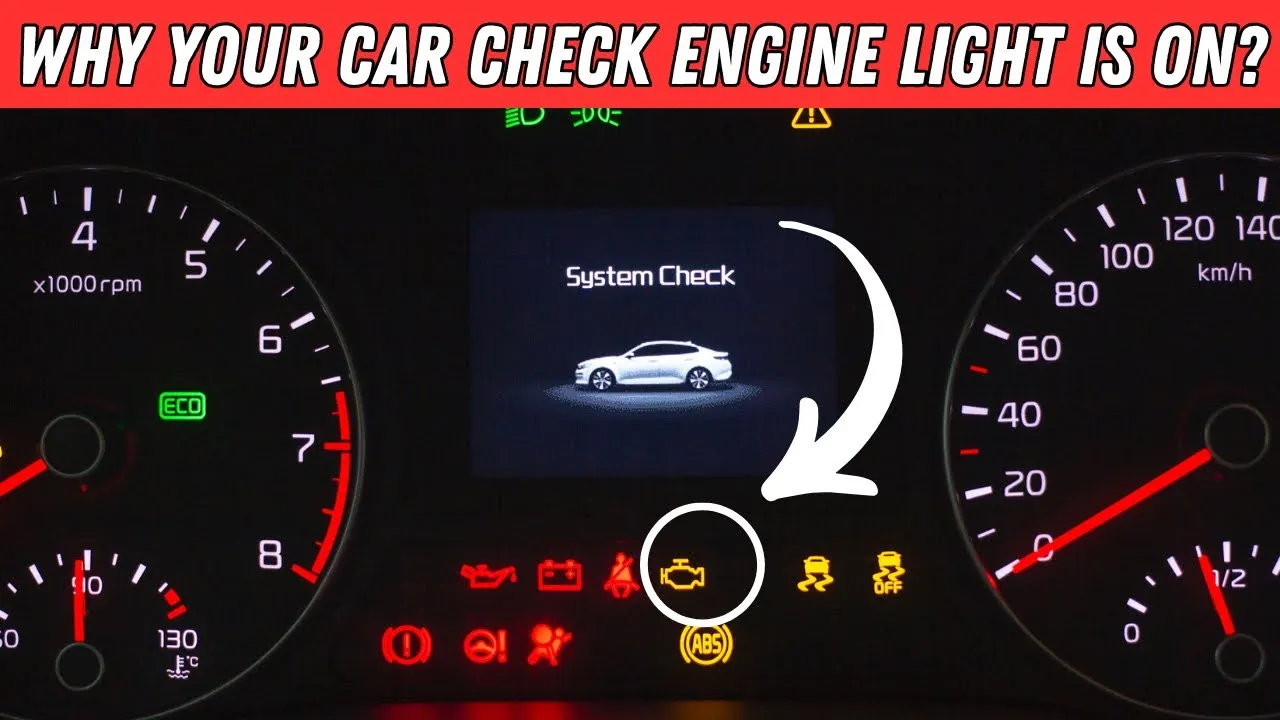
Why Is My Subaru Check Engine Light On? Complete Guide
Immediately seeing a dashboard alert when you are in an auto repair shop is stressful.
Do not dismiss this sudden warning signal that appears on your instrument cluster. Rather deal with it quickly so that your crossover can keep purring along. Which means your onboard computer has just detected a particular mechanical or electrical fault.
Your vehicle is equipped with an onboard diagnostic system that tracks engine performance, both during driving and pumpage.
A reading outside normal limits from a sensor causes a dashboard alert. This light, however, does not inform you what part has failed in the first place. So you require a decent code reader to extract the code details from your car.
Typical Reasons for a Boxer Motor Warning
Because of the unique construction of a boxer motor, levels of any fluid and air mixture must be exact. Commonly these warnings are thrown when an oxygen sensor goes bad, spark plugs get worn out, or a catalytic converter fails. As a result, various components will need to be replaced as time goes on, ultimately due to usual wear and tear. Or simple problems, such as a loose cap on the gas tank, can cause the dashboard light to come on by surprise.
The Uncertain Myth of the Subaru Gas Cap
A loose gas cap is still one of the most common causes of an active dashboard alert. To control evaporative emissions in a clean way, the system uses a perfectly sealed fuel tank. As a result, a bad gas cap misleads the car into believing there is a severe leak. And then inspect the rubber seal, and replace the cap back tightly onto the filler neck.
Why Cruise Control Flashes Simultaneously
Subaru incorporates a new safety programming mechanism into their cars’ main computer. The fact that your cruise control system is disabled entirely is because the powertrain module flags a fault. But in the meantime cruise control light is blinking incessantly to distract us. But it gets a little more complicated — at least don’t panic when you see these various safety metrics all trigger in unison.
ABS and Motor Alert — How Are They Related?
There are real-time communications between your main powertrain module and the antilock braking system (ABS), and brain, power system and wheel electronics too. The ABS cannot accurately calculate stopping distances if a wheel sensor fails. Moreover, this comms failure causes the primary computer to set off a motor alert. So as a result, you will be able to witness both of those dashboard symbols illuminating simultaneously.
Understanding Traction Control Disabling Features
The same sensors used for your braking setup are the same exact ones that traction control uses. In these cases where the computer identifies a fault in the engine, disabling the stability management is a full big “NO.” Also, some dynamic handling features are limited by the vehicle to protect the balanced all-wheel-drive platform. As a result, several dashboard lights illuminate to alert you of the temporary suspension.
Why Extreme Weather Causes Diagnostic Codes
Extreme winter cold and summer heat both stress electronics terribly. Plastic connectors crack and wires can become brittle during extreme temperature swings. In addition, road salt can also corrode exposed wiring harnesses located underneath your vehicle chassis during winter months. Due to this, sensors transmit wrong voltage readings to the main management computer.
Buckle up as we dig into the details of oxygen sensor failures across the types of vehicles as they were highly concentrated among vehicles with AWD.
Oxygen sensors measure the partially burned fuel leaving your tailpipe all the time. Normal carbon deposits build up over time, as does the heat from the exhaust. Also, a damaged sensor kills your fuel economy by making the motor use an unnecessary amount of gas. Next, your car emissions through the roof until you put back in a nice replacement part.
Common Catalytic Converter Problems (And What You Can Do to Restore Performance)
In brief, this part turns ill-famed exhaust gases into cleaner emissions. They normally fail, as the internally melted metals due to ignore engine misfires. Otherwise, it lasts for the life of your car. Still, a dead converter remains one of the priciest automotive repairs available at this time.
Locating a Good General Diagnostic Repair Facility
Picking the right shop can get you an honest fix the first time. Look for a facility that has skilled technicians and modern scanning equipment. Additionally, trustworthy garages explain the actual fault codes in detail before commencing any kind of manual work. And finally, select a shop that provides simple warranties on parts and labor to give you assurance.
How much is an OBD2 Scanner really worth?
A basic code scanner allows you to read your faults. They’re those handy little devices that plug right into that little port under your steering column. Also, if you know the error code ahead of time, you can avoid being ripped off by bad mechanics who might want to charge you a lot of money for fixing a very simple problem. This means that if you own a personal scanner and spend $40, you will be saving really good money in the long run.
Solid Amber Warning – Can you Drive with this?
An amber light does not indicate that a disaster is imminent. On the whole, this will allow you to drive home or into a local repair garage in complete safety. However, you should not wait more than a couple of days to get it inspected. Otherwise, the problem will deepen and lead to costly secondary component damage.
How to Handle If Notification Flash
The dashboard alert is flashing and the engine is misfiring badly at this moment. This condition dumps raw fuel into your already hot exhaust system in short order. As such, you could start melting your own rather pricey catalytic converter within a few blocks of driving it. Instead, safely pull over and call a local tow truck to mitigate any damage to your motor.
Two to Free (Easily Passing Local State Emissions Testing)
If this alert is activated, your vehicle will automatically fail the state emissions test. You are trained on or going to clear code moments before driving on to the testing lane too. Basically, the testing computer verifies whether all of the internal system monitors are completely prepared for action. This means you’ll need to address the underlying issue, then drive for dozens of miles to reset the monitors.
False Faults Triggered by Low Voltage Drops
Freezing mornings are a silent killer of the overall capacity of your car batteries. Low Voltage Blockchain which fools sensitive computer modules into generating random error codes on startup. What’s more, these ghost alerts only seem to appear in the first place as long as the alternator hasn’t completely charged the electrical system. Yes, testing your battery before winter can spare you the annoying false alarms.
Misfires and Spark Plug Replacements
Your spark plugs need to ignite the fuel mixture inside your combustion chambers to the peak of perfection. And plugs with too much wear lead you to experience stuttery acceleration and rough idling at stoplights. 848 If you ignore bad plugs, it can put the unnecessary strain on your ignition coils until they wear out completely. Then replace your plugs at the suggested intervals to keep your engine humming along rather than alerting you to several hundred dollar repair bills on your dashboard.
EVAP System Leaks Explained Simply
The evaporative emission control system safely picks up harmful gasoline vapors and holds them in a charcoal canister. It prevents these refined chemicals from leaking out into the natural environment. A poor purge valve or broken hose, on the other side, activates a leak code and fast. Similarly, locating these minuscule air leaks calls for engine shop-level smoke testing gear.
Average Costs for Diagnostic Scans
Almost all local auto parts retailers fully read your basic codes for free. They will not, however, give an in-depth diagnostic readout for more complicated electrical issues. An hour of expert testing at a professional shop usually runs between $90 and $150. It needs advanced tools and really good mechanical training for troubleshooting!
How to Resolve Your Vehicle Subsystems: Actionable Steps
You can be on top of the health of your car by addressing warnings as soon as they occur. Next fill up with fuel, double-check your gas cap is tight. This code could reside in any module in the car so the next step is to use a generic scanner to pinpoint the exact fault code residing in each of the modules. Lastly, after you are trained on sophisticated sensor problems, schedule an expert inspection to resolve your vehicle ahead of emissions testing day.