Mazda Check Engine Light: Diagnostic Guide
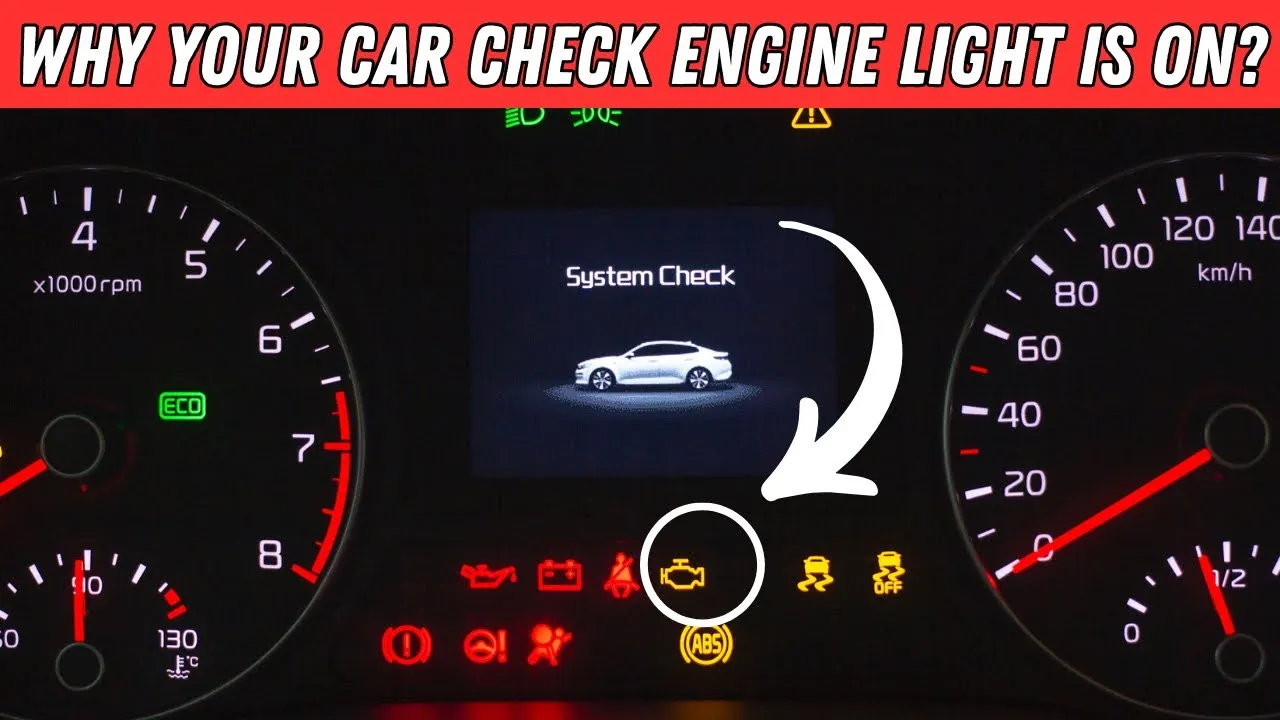
Your Mazda check engine light is a crucial link between your car’s computer and you. This warning light, indicates that there is an issue with the powertrain detected by the On-Board Diagnostics (OBD) system in the vehicle. These warnings must be responded to in a timely manner to ensure that your Mazda continues to provide you with quality performance and fuel economy that it is so well known for. Hence it is a good idea to know these common triggers, to help you maintain your vehicle’s health even better. In this guide, we will cover the basic troubleshooting steps and the most common reasons for this particular dashboard alert.
Understanding the System
Understanding the Amber Warning
Your Mazda’s computer features an advanced monitoring system, with the check engine light being one part of that system. A sensor presents data outside of normal operating parameters which in turn activates the indicator that signals to the driver. Think of this light as a utility bill you get for your home — not an indication that the sky is falling today. That is why your first reaction should be to remain calm and to seek a diagnostic scan. If have been sensed in timely manner by the owner, majority of the issues are minor.
The Significance of Light Behavior
Yes, different light patterns used by Mazda indicate the severity of the problem internally. Normally, a solid light that remains steadfast suggests an issue that is not an emergency which does require an appointment to be seen in a service line. But a flashing or blinking light indicates a serious engine misfire that could trash your pricey catalytic converter. As a result, if the light starts blinking, you have to safely get to the side of the road and shut off the engine. Acting right now saves thousands of dollars on secondary damages that may require mechanical work.
Common Causes
Common Gas Cap Complications
In many Mazda models, a loose, faulty, or incorrect gas cap is a common reason for the light. The pressure is maintained in the fuel unit to stop the escape of gases into the environment. If there’s a break in the seal, the computer senses EVAP-leakage. So you must check your gas cap always after refueling, by tightening it until you hear clicking sound several times! If the warning light was due to a loose cap it usually goes out again within a few driving cycles after the cap is tightened.
Oxygen Sensor Wear and Tear
Oxygen (O2) sensors monitor the total amount of unburned oxygen in your exhaust and help keep your fuel/air mixture as close to theoretical perfection as possible. Over time, they might get gummed with carbon in the firebox, or they might just roast from nonstop exposure to thermal hell. When they go wrong, your Mazda engine might take in more fuel than it needs to run on. Because of this, you’ll observe a significant decline both in your MPG and the smoothness of the power. Your fueleconomy works like it supposed to at least, which reduces tailpipe emissions when you replace a failed sensor.
Catalytic Converter Health
Catalytic converter is one of the most important parts that transform harmful exhaust fumes into less harmful gases. In a Mazda, this piece generally breaks down while the owner neglects other problems like spark plug misfires or sensor failures. If your converter is faltering you may experience a lack of power or a “rotten egg smell.” Consequently, immediately responding to little motor lights allows the most ideal approach to secure this costly part of hardware. Why Is Regular Maintenance Important For Your Exhaust System?
Mass Airflow Sensor Issues
The Mass Airflow (MAF) sensor which measures the volume of flowing air into the engine and compensates the fuel supply. If your air filter is dirty, or if the sensor is dirty, then your Mazda may have issues while it is idling. This signal miscommunication leaves you stalling out or even appearing to lag when you hit the gas. This will then trigger the check engine light to indicate either a “lean” or “rich” fuel condition. In fact, cleaning or replacing this sensor frequently cures those irritating performance stumbles.
The Life of a Spark Plug and Ignition Coil
Mazda diesel engines are ppm and can and followit yamamasa漢Q2100,079660前99. Worn spark plugs, or failing ignition coils, can trigger an engine misfire, especially under heavy throttle loads or acceleration. This causes a stuttering driving experience and the check engine light to illuminate. Thus, adhering to the spark plug replacement intervals recommended by Mazda itself is the key to a hassle free day-to-day drive. New ignition parts mean your engine starts and runs perfectly — every single time.
Battery Voltage and Electrical Faults
Today, they are also full of sensitive electronics that need a stable and reliable supply of electricity. Ghost codes can occur, due to a weak battery, or an alternator going bad, which makes the computer trigger myriad codes. Thus, if the engine is mechanically fine, the check engine light may still come on. Have the battery and charging systems checked if the light comes on during cold starts. Clean battery terminals typically eliminate these false and unnecessary electrical warning lights.
Thermostat and Cooling System
The engine thermostat regulates the amount of flow to ensure the engine operates within a desired temperature range. A stuck open thermostat will cause the engine to run too cold along with setting a code. The worst trouble for the car is if it sticks shut, your engine will overheat really fast. Thus, when your check engine light comes on, watch your temperature gauge. The Cooling System in Your Mazda is Key to Its Lifespan
Evaporative Emission (EVAP) System
The EVAP returns vapors that come from the evaporation of gasoline to the car before they can escape. This system consists of components such as hoses, canisters, and valves, which can leak or be damaged over time. Another light-friendly failure source is the purge valve, which Mazdas seem to have a knack for preventing. So it’s all kind of the end result of perhaps a little rough idle a few seconds after putting gas in your car at a gas station. Some professional testing usually needs to be performed to determine the exact source of a leak.
Diagnostics and Tools
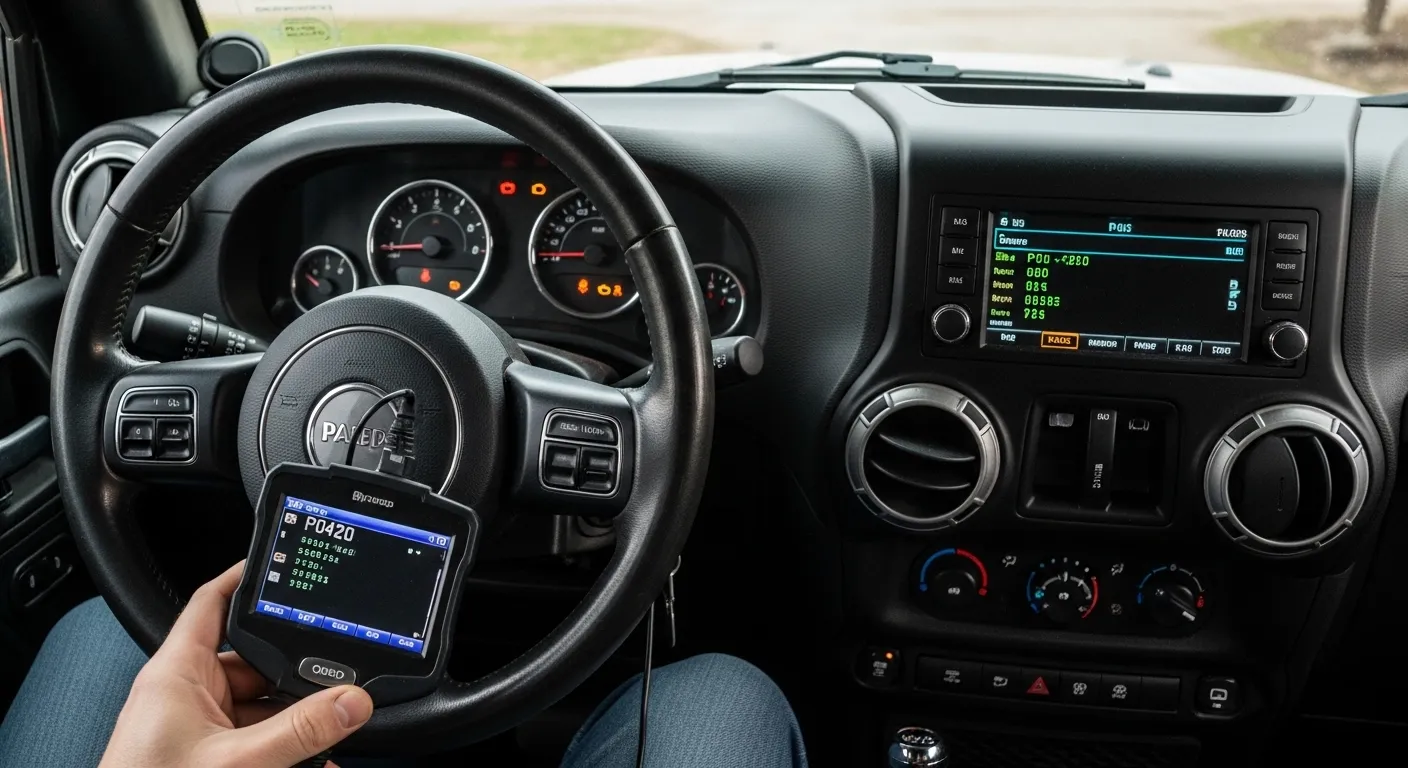
Diagnosis Trouble Codes [DTC]
Your Mazda’s computer will register a random four or five digit Diagnostic Trouble Code, or DTC, when the light is on. This code tells you what circuit or system the computer found the fault. Hence, its only read by an OBD-II scanner, and you need to do this in order to fix things. To point you in the right direction, most auto parts stores will scan the codes for free. It puts the power to decide how to repair your vehicle in your hands as you know the code.
Skyactiv Engine Specifics
Mazda’s high compression, direct-injection Skyactiv engines combine good power with economy. These modern systems are particularly sensitive to the grade of fuel used and the frequency of maintenance schedules prescribed by the factory. Low quality fuel can sometimes cause deposits that produce a check engine light in months. So, it’s a good idea to run detergent gasoline, preferably the good stuff, through all Mazda vehicles equipped with Skyactiv technology. Preventing a lot of common sensor and injector problems by keeping your fuel system clean.
Transmission-Related Warnings
As a reminder in many Mazda models the check engine light may indicate a transmission problem.
- If the transmission control module sees a slipping tone wheel or faulty solenoid, the light will turn and remain on.
- GI: You might notice the car “hunting” for gears or shifting hard.
Therefore, if your transmission fluid level is low in addition to shifting problems, it is advisable to check the transmission fluid level if the light has come on in your vehicle. If transmission problems are resolved before the gearbox is completely damaged, a specialist should check the gearbox.
Vacuum Leak Detection
A vacuum leak means unmetered air in the engine intake after the mass airflow sensor. This causes the engine to run “lean”, too much air and not enough gasoline?! This is why your Mazda has a high idle or your Mazda feels like it is surging at a stop. Technicians sometimes find those tiny cracks in rubber hoses or gaskets using a smoke machine. One of the most inexpensive methods for getting the sunshine off is repairing vacuum leak(ierr)
The Importance of Professional Scanners
Basic scanners only provide you with a code, but a professional tool provides you with actual data from every sensor in the engine in real time. This enables a mechanic to view exactly how the engine is running. They can see oxygen sensor voltages fluctuate live to prove a failure. For this reason, a professional diagnosis is frequently a more cost-effective option than “parts-cannon” guessing at the cause of the problem. Advanced tools eliminate the guesswork, resulting in a quick, far more accurate repair.
Practical Guidance
Driving With the Light On
One of the most frequently asked questions by drivers is if you can drive a Mazda further once the light is on.
- Generally, under normal driving conditions, if the light is non-blinking and the car feels normal the car is usually drivable to the destination.
As a result, you need to plan for a service reservation whenever your schedule enables it. A problem that is fixed now may even lead to costlier repairs in the long run, if the car is driven for an extended period with the defect.
Resetting the Light After Repair
However, this light will not disappear until the underlying issue is rectified and the light is reset using a diagnostic tool. The computer also knows that these codes will self-clear after so many successful “warm-up” cycles, provided the computer detects that the fault is gone or is no longer the problem. The typical procedure to validate that the fix has resolved the problem performance, however, is to erase the code by hand. So, if the light returns as soon as the reset is performed, the original root cause is more than likely still present. Clear the code and confirm the repair with a test drive.
Passing State Emissions Inspections
In many states, a check engine light that is any color other than green is a guaranteed emissions test fail.
- If any active engine codes are stored it will fail on the inspection computer.
- Also, you can’t just clear the light right before the test, because it takes some time for the system to “ready” its monitors.
As a result, you need to resolve the issue well before your time to renew your registration. You need a dashboard that is clear to remain on the right side of the law.
DIY vs. Professional Assistance
Many Mazda owners well have decided to perform their own basic maintenance and light diagnostics in the comfort of their own home.
- Some are so easy to do that most people can do them themselves, such as replacing an automobile gas cap or battery.
But that typically requires specialized Mazda tools for more complicated fuel injector situations, along with internal engine sensors. So, you need to be aware of your mechanical limits so you do not cause damage to your car. There are trained (professional) technicians who can traverse the most difficult Mazda electrical mazes.
Maintenance and Prevention
Maintaining Long-Term Mazda Reliability
To prevent the check engine light the best preventative way is stick to factory maintenance schedule in your owners manual. Changing your oil and replacing your air filter regularly allows your internal sensors to stay clean and operate properly. And pay attention à répondre à how your Mazda sounds and feels is the best way to catch problems before the light comes on, anyway. That way, your Mazda can be a great companion for years and miles to come. Preventive engine maintenance is always less costly than repair of a reactive engine.