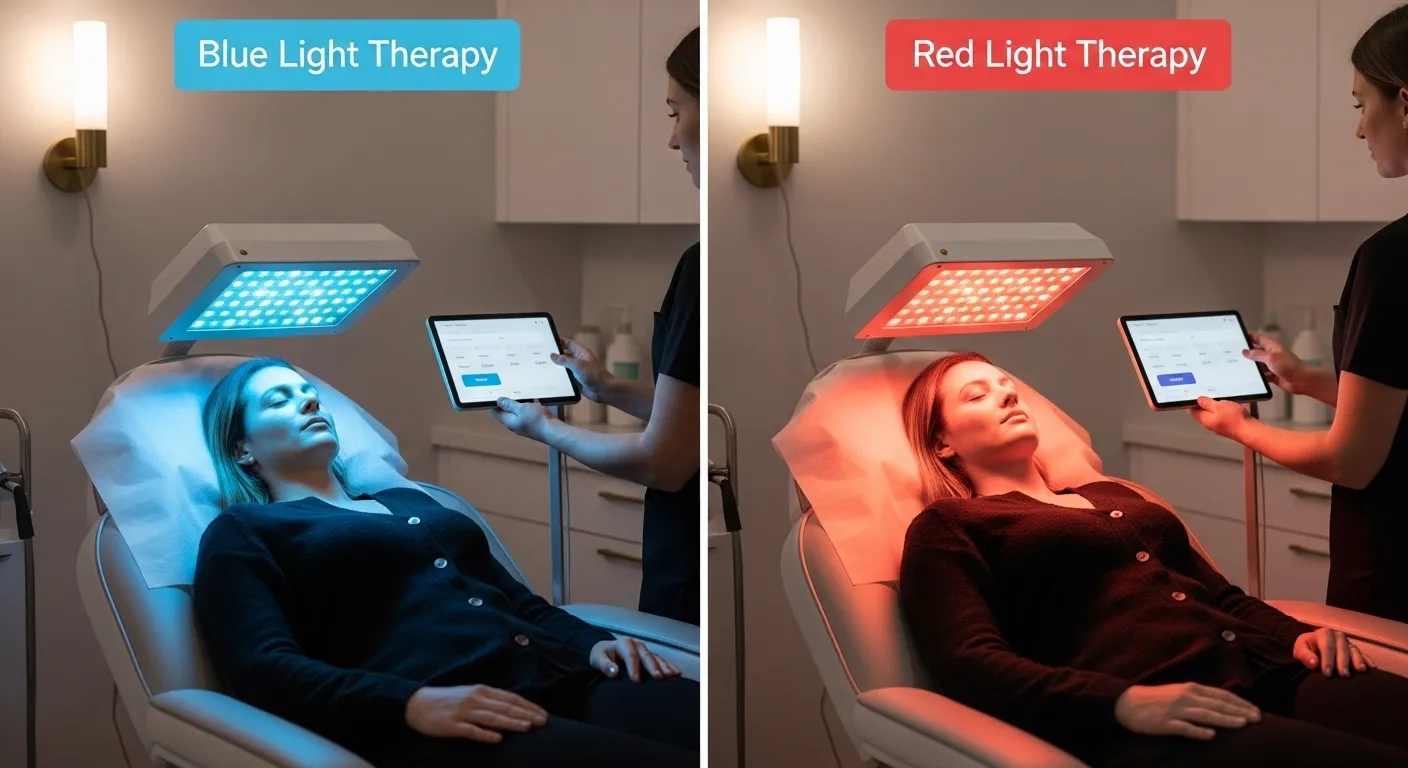
The Intersection of Red Light Therapy and Tanning: A 2026 Guide
Red light therapy (RLT) and UV tanning are often found side-by-side in modern wellness centers, yet they perform fundamentally opposite functions for the skin. While UV tanning relies on DNA-damaging rays to darken pigment, red light therapy uses specific wavelengths to stimulate cellular repair. Understanding how to navigate both is essential for maintaining skin health.
Defining Red Light Therapy vs. UV Tanning
It is critical to distinguish between these two technologies as they utilize different parts of the light spectrum. UV tanning uses Ultraviolet A and B rays to trigger melanin production, which is a protective response to skin damage. Conversely, Red Light Therapy uses visible light (typically 630-660nm) to penetrate the skin and boost mitochondrial function. Therefore, red light therapy is non-ionizing and does not cause a tan.
Does Red Light Therapy Tan Your Skin?
A common misconception is that red light therapy can provide a sun-kissed glow. However, red light therapy contains zero UV radiation, meaning it cannot stimulate melanin or darken the skin. Instead, it improves circulation and collagen production, which can result in a healthier “flush” or more radiant complexion. Consequently, you should not use RLT if your primary goal is to change your skin’s pigment level.
The Concept of “Hybrid” Tanning Beds
In 2026, many salons offer “Hybrid” beds that combine UV lamps with red light LEDs in a single session. These beds aim to provide the cosmetic benefit of a tan while using red light to mitigate some of the inflammatory side effects of UV exposure. Furthermore, the red light helps maintain skin moisture and elasticity during the drying tanning process. Therefore, hybrids are designed to create a “better” looking tan, not a safer one.
Red Light Therapy Before Tanning Sessions
Using red light therapy immediately before a UV tanning session is a popular strategy for “prepping” the skin. RLT increases blood flow to the surface, which can theoretically help the skin oxygenate more efficiently during the tanning process. Moreover, the increased circulation may help the skin develop a deeper color more quickly. Consequently, many users find they can spend less time under UV rays while achieving similar results.
Red Light Therapy After Tanning Sessions
Applying red light therapy after UV exposure is primarily focused on skin recovery and damage control. The 660nm wavelengths help reduce the redness and inflammation often associated with a “sunburn” or overexposure. Furthermore, by stimulating collagen, RLT helps counteract the premature wrinkling and “leathery” texture caused by chronic UV use. Therefore, it acts as a restorative treatment to preserve the skin’s long-term structural integrity.
Addressing the Safety of UV Radiation
While red light therapy is widely considered safe and non-invasive, UV tanning carries significant health risks, including skin cancer and accelerated aging. No amount of red light therapy can “cancel out” the DNA damage caused by concentrated UV rays. Consequently, health professionals recommend prioritizing sunless tanning options if you are concerned about long-term skin safety. Therefore, use UV technology with extreme caution and professional guidance.
Impact on Skin Hydration and Texture
UV tanning is notoriously drying, often leading to flaky skin and a compromised moisture barrier. Red Light Therapy, however, helps the skin retain moisture by strengthening the cellular structure and improving barrier function. Furthermore, RLT can smooth out the fine lines that often appear more prominent after a tanning session. Consequently, combining the two can lead to a smoother, more supple skin texture than UV tanning alone.
Protecting the Eyes During Light Exposure
Whether you are using RLT or a UV tanning bed, eye protection is non-negotiable. UV rays can cause cataracts and corneal burns, while high-intensity red light can be uncomfortably bright and potentially strain the retina. Therefore, you should always wear specialized goggles designed for the specific type of light you are using. Consequently, “closing your eyes” is not sufficient protection against the concentrated light energy in these devices.
Influence of Skincare Products and Lotions
The effectiveness of both treatments can be influenced by the products you apply to your skin. Many tanning lotions contain “bronzers” or chemicals that might reflect red light, reducing its ability to penetrate the dermis. Furthermore, some essential oils or medications can make your skin photosensitive, increasing the risk of burns. Therefore, always consult with a professional about which skincare products are safe to use before entering a light booth.
Managing Photosensitivity and Medication Risks
Certain medications, such as antibiotics or acne treatments like Accutane, can make your skin highly reactive to all types of light. If you are on these medications, both UV tanning and Red Light Therapy could cause unexpected rashes or burns. Consequently, it is vital to speak with your doctor before starting any light-based regimen. Therefore, always prioritize your medical history over cosmetic goals to avoid painful skin reactions.
Red Light for Fading Sun Spots
Ironically, red light therapy is often used to fade the hyperpigmentation and sun spots caused by excessive UV tanning. By regulating cellular turnover, RLT can help even out skin tone and reduce the appearance of “age spots” over several weeks of use. Furthermore, it helps repair the mottled pigmentation that often occurs with sun damage. Consequently, it is a powerful tool for those looking to reverse previous tanning mistakes.
Establishing a Consistent Light Routine
For the best results with red light therapy, consistency is more important than the intensity of a single session. Most experts recommend three to five sessions per week for at least twenty minutes to see significant changes in skin health. Conversely, UV tanning should be limited to avoid cumulative damage to your skin’s DNA. Therefore, balancing these two requires a strict schedule that prioritizes recovery time for your skin cells.
Understanding the “Red Light Glow”
After a session, users often describe a “glow” that is frequently mistaken for the beginning of a tan. This is actually a result of “vasodilation,” where your blood vessels expand to deliver more nutrients to the skin’s surface. Furthermore, the increased ATP production in your cells gives the skin a more vibrant, energized look. Consequently, this glow is temporary but signifies that the cellular repair process has been successfully triggered.
Red Light Therapy for Vitamin D?
It is important to note that Red Light Therapy does not help your body produce Vitamin D. Vitamin D synthesis requires UV-B radiation, which is completely absent from RLT devices. Therefore, if you are using red light as a substitute for sunlight to fix a deficiency, it will not be effective. Consequently, you should look to diet, supplements, or controlled sun exposure for your Vitamin D requirements.
Professional vs. Home Light Devices
The power of red light therapy units in tanning salons is usually much higher than the small handheld devices sold for home use. Professional-grade panels allow for full-body coverage and deeper penetration into the muscle and joint tissue. Furthermore, salon units are calibrated to specific wavelengths that are most effective for skin rejuvenation. Therefore, while home devices are convenient, salon-grade equipment often provides faster and more noticeable results.
The Role of Near-Infrared (NIR) Light
Many RLT panels also include Near-Infrared light (850nm), which is invisible to the human eye but penetrates even deeper than red light. NIR is particularly effective for reducing deep-tissue inflammation and joint pain that can occur after physical activity. Furthermore, NIR helps the skin heal from the deeper structural damage caused by long-term UV exposure. Consequently, a combination of Red and NIR light offers the most comprehensive skin recovery.
Cost Comparison of Light Treatments
In 2026, the cost of red light therapy is often bundled with tanning memberships as a premium add-on. While RLT sessions can be expensive individually, many salons offer “unlimited” packages that make daily use more affordable. Furthermore, when compared to the cost of anti-aging surgeries or expensive lasers, RLT is a very cost-effective preventative measure. Therefore, it is a smart financial investment for those dedicated to long-term skincare.
Red Light Therapy for Tanning Bed Rashes
Some people develop a “tanning rash” or heat bumps after using a UV bed due to skin irritation or clogged pores. Red light therapy is highly effective at calming this irritation and clearing up the rash quickly. Furthermore, its anti-inflammatory properties help soothe the itching and discomfort associated with these reactions. Consequently, RLT is the perfect “antidote” for many of the common skin complaints related to tanning.
Future Trends in Light Therapy
As we move through 2026, the technology behind light therapy is becoming even more targeted. We are seeing the rise of “intelligent” beds that scan your skin type and adjust the ratio of Red Light to UV automatically. Furthermore, wearable light technology allows users to continue their skin repair routine while on the go. Therefore, the integration of light therapy into daily life is only going to increase in the coming years.
Final Verdict on the Light Duo
Combining red light therapy with a tanning routine can improve the appearance of your skin and speed up recovery times. However, you must remain aware that red light does not protect you from the inherent dangers of UV radiation. Furthermore, the best results come from a balanced approach that emphasizes skin health over extreme color changes. Therefore, let red light therapy be the “hero” of your skincare routine to keep your skin youthful.